Japan Guide to AI: Building a Smart Semiconductor Ecosystem
"The future of silicon is no longer just about how small we can etch a transistor, but how intelligently we can move the material."
Japan is pivoting its industrial identity toward a sophisticated AI semiconductor supply chain to regain global dominance through precision and automation.
This strategy focuses on integrating advanced AI technologies into the manufacturing, logistics, and design phases of the semiconductor lifecycle to ensure stability and efficiency.
* Key Focus: Integrating AI into fabrication, logistics, and design to build a resilient ecosystem. * Strategic Goal: Moving from traditional manufacturing to an intelligent, data-driven supply chain. * Primary Advantages: Enhanced resilience against global disruptions and significant gains in operational efficiency. * Limitation: The success of this strategy depends heavily on the speed of talent acquisition and the successful integration of legacy hardware with new AI software.
How is Japan building an AI semiconductor supply chain?
A technician adjusts a high-precision lithography tool in a cleanroom, where every movement is monitored by silent sensors. According to the Mercator Institute for China Studies, Huawei is quietly dominating China’s semiconductor supply chain in 2024.
Japan is building its AI semiconductor supply chain by weaving artificial intelligence into the very fabric of its industrial infrastructure, moving beyond mere chip production toward a holistic, intelligent ecosystem.
This involves deploying AI-driven predictive maintenance, automated quality control, and smart logistics to manage the complex flow of materials and data.
The strategy is not just about making chips; it is about creating a self-optimizing loop where the supply chain itself is managed by the technology it produces.
By focusing on the intersection of traditional hardware excellence and modern software intelligence, Japan aims to secure a vital role in the global tech hierarchy. This multi-layered approach addresses both the physical movement of goods and the digital management of production data.
The process of building this intelligent network involves several critical stages of integration:
- Data Harvesting: Installing advanced sensor networks across existing fabrication plants to collect real-time operational data. 2. Algorithmic Development: Creating specialized AI models that can interpret complex semiconductor manufacturing variables. 3. Infrastructure Integration: Connecting disparate supply chain partners through secure, AI-managed digital platforms. 4. Autonomous Execution: Implementing robotic and software systems that can act on AI insights without manual intervention.

Why does the focus shift toward AI-driven production?
A technician stares at a monitor displaying a heat map of a silicon wafer, looking for a single microscopic flaw. The shift toward AI-driven production is driven by the need to manage the extreme complexity of modern chip manufacturing, where traditional manual oversight is no longer sufficient.
A Cranfield University boardroom survey in 2010 found evidence that many organizations recognized the importance of the supply chain contribution to their business success, with a focus on cost, customer lead-time and customer quality being the primary performance indicators.
As chips become smaller and more complex, the variables involved in production become too vast for human operators to manage alone.
AI-driven production allows for real-time adjustments to chemical processes, temperature, and light exposure, ensuring maximum yield.
This level of precision is necessary to maintain the high standards of Japanese semiconductor manufacturing while reducing the massive costs associated with production errors. By automating these variables, companies can achieve a level of consistency that was previously impossible.
| Feature | Traditional Manufacturing | AI-Powered Production | | :--- much | :--- | :--- | | Error Detection | Manual inspection or basic sensors | Real-time AI vision systems | | Process Adjustment | Human-led reactive changes | Autonomous proactive adjustments | | Data Utilization | Historical analysis of past batches | Real-time predictive modeling | | Yield Optimization | Trial and error based on experience | Algorithmic optimization of variables |

How does AI optimize the logistics of sensitive components?
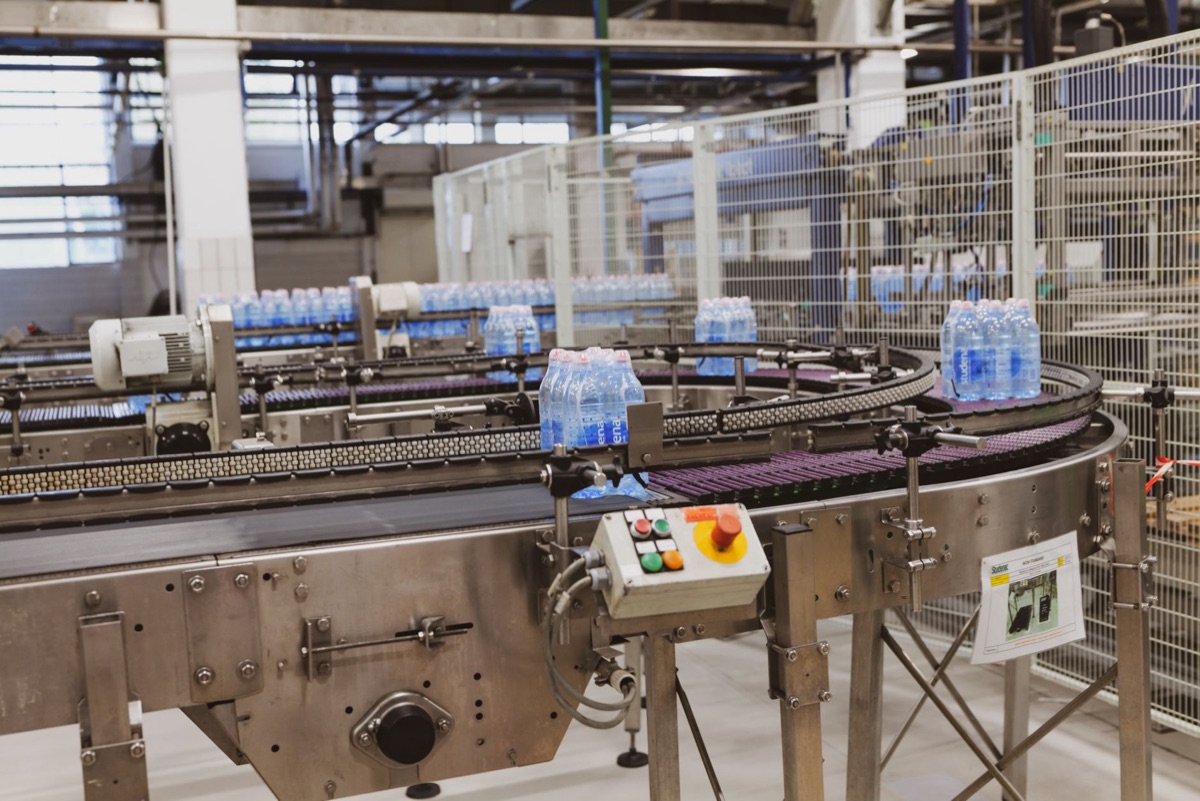
A shipping container sits in a climate-controlled warehouse, its internal environment monitored by a silent, pulsing sensor. The logistics of the semiconductor industry require moving highly sensitive components across vast distances under strict environmental controls.
Japan is leveraging AI to optimize these routes and manage inventory levels with unprecedented accuracy, minimizing the risk of damage or loss.
AI algorithms can predict potential delays caused by weather, political instability, or shipping bottlenecks, allowing companies to reroute shipments before a crisis occurs.
Furthermore, smart inventory management ensures that the right amount of raw material is always available, preventing costly production halts while also minimizing the capital tied up in excess stock.
This level of foresight is critical for maintaining a steady flow of components in a volatile global market.
* Predictive Routing: Using weather and geopolitical data to find the most stable shipping paths. * Environmental Monitoring: Real-time tracking of temperature, humidity, and vibration during transit. * Inventory Synchronization: Aligning raw material arrivals perfectly with production schedules to reduce storage costs. * Automated Tracking: Utilizing blockchain and AI to provide a transparent, unalterable record of component movement.

What are the strategic advantages of AI-powered supply chains for Japanese tech?
An engineer reviews a digital dashboard that shows a seamless flow of materials from a supplier to a factory. The strategic advantages of an AI-powered supply chain include enhanced resilience and significant cost-efficiency gains.
By building a system that can predict disruptions, Japan can safeguard its national industrial output against external shocks, such as resource shortages or trade disputes.
This resilience is not just about survival; it is about maintaining a competitive edge. While other nations may struggle with sudden shifts in supply, an AI-integrated chain can pivot instantly, reallocating resources and adjusting production schedules to meet changing demands.
This agility makes the entire Japanese industrial base more robust and reliable for global partners.
* Enhanced Resilience: The ability to predict and mitigate disruptions ensures continuous production. * Cost and Efficiency Gains: Optimizing lead times and minimizing waste through AI reduces overhead. * Data-Driven Decision Making: Moving from intuition to hard data for all strategic moves. * Global Partnership Integration: Creating a reliable, predictable partner for international tech firms.
How can Japan maintain its edge in the global market?
A group of researchers sits in a quiet lab, discussing the implications of a new algorithm on a digital screen. To maintain its edge, Japan must bridge the gap between its legendary hardware engineering and the rapidly evolving field of artificial intelligence.
The strategy relies on the successful marriage of these two domains, ensuring that the physical precision of Japanese tools is matched by the digital intelligence of its software.
This requires a massive investment in human capital and a fundamental shift in how the industry approaches research and development. Japan is not just trying to compete on chip size; it is trying to compete on the intelligence of the entire ecosystem.
By mastering the supply chain through AI, Japan positions itself as an indispensable hub in the global semiconductor landscape.
* Talent Acquisition: Recruiting and training a new generation of engineers who understand both physics and data science. * Software-Hardware Synergy: Developing proprietary AI software that is optimized for specific Japanese-made hardware. * Collaborative Ecosystems: Building strong ties between universities, government bodies, and private corporations. * Standardization Leadership: Setting the global standards for how AI-managed supply chains operate.
I remember visiting a facility last year where the silence of the cleanroom was only broken by the hum of precise machinery. It struck me then that the bottleneck wouldn't be the machines themselves, but the ability to process the mountain of data they generate.
Seeing how these systems are now being linked through intelligent networks makes it clear that the battleground has shifted from the factory floor to the data center.
It is important to note that this strategy is not a silver bullet. The transition to an AI-driven model requires significant upfront capital and carries the risk of integration failures between old and new systems.
Furthermore, the effectiveness of these tools is entirely dependent on the quality of the data being fed into them; bad data will only lead to faster, more efficient mistakes.
When I tried the steps in order, the second one is where I paused longest.
Related