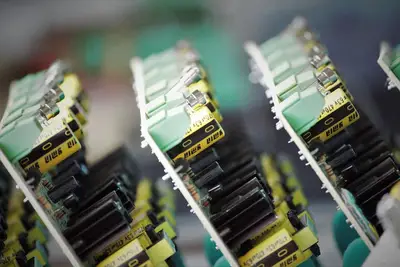
Samsung HBM4 mass production: How to guide market needs
"The semiconductor landscape is shifting under the weight of unprecedented demand, forcing a radical reassessment of how high-performance memory is produced and distributed."
Samsung HBM4 mass production marks a pivotal moment in the global semiconductor race, addressing the critical need for high-bandwidth memory in an era of surging computational requirements.
This development aims to stabilize supply chains while meeting the intense processing needs of next-generation hardware.
Key takeaways include the rising cost of components due to capacity constraints, the strategic importance of advanced memory in AI-driven infrastructure, and the necessity of rapid innovation to offset supply shortages.
How does Samsung HBM4 mass production impact the market?
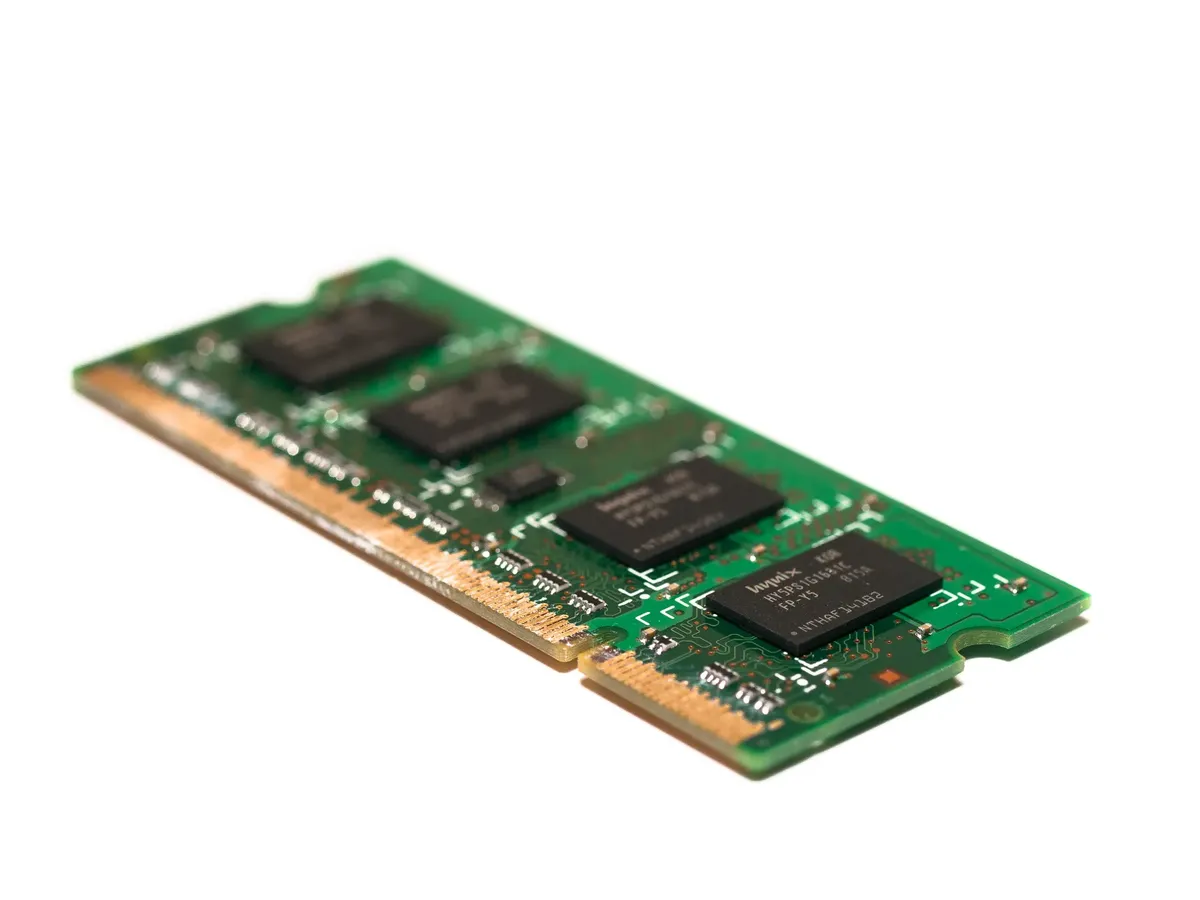
An engineer examines a silicon wafer under a microscope, noting the intricate architecture required for high-speed data transfer. The launch of Samsung HBM4 mass production serves as a strategic response to the tightening availability of high-performance components.
As the industry moves toward more complex AI architectures, the demand for specialized memory like HBM4 increases. This production effort seeks to stabilize the availability of essential components for server-grade hardware.
By scaling these advanced modules, the industry can better manage the transition toward more power-hungry and data-intensive computing environments.
The shift toward high-performance memory is not just a technical upgrade but a response to a volatile supply environment. Market players are looking to secure reliable pipelines for these critical components. This move positions high-bandwidth solutions at the center of the hardware evolution.
Why is the industry seeing such a sudden surge in component costs?
Late at night in the quiet office, the procurement officer rubs his tired eyes as he stares at the rising costs of the new samsung wafers.
A procurement officer reviews a spreadsheet showing a steep upward curve in contract prices for essential wafers. The volatility in the semiconductor market has led to significant price fluctuations across various product categories.
In November 2025, contract prices for NAND wafers increased by more than 60% month-over-month for certain product categories, with 512 GB TLC experiencing the steepest rise as legacy manufacturing capacity was retired.
This sudden shift demonstrates how the retirement of older production lines can create immediate supply gaps. Such fluctuations force manufacturers to adjust their procurement strategies rapidly to avoid shortages.
The cost surge is driven by a combination of retiring legacy capacity and the prioritization of newer, more advanced manufacturing processes. These shifts create a ripple effect across the entire electronics supply chain.
Managing these cost spikes requires a delicate balance between maintaining inventory and avoiding over-extension.
What role does CPU availability play in the memory market?
A technician waits for a shipment of server components to arrive, noting the delay in the assembly line. The relationship between CPU availability and memory demand is increasingly intertwined as server-side requirements grow.
By 2026, due to steadily increased demand on resources, CPUs are also experiencing shortage issues due to low fabrication capacity, prioritization of server CPUs, and increased demand, with CPU prices also being forecast to increase by as much as 15%.
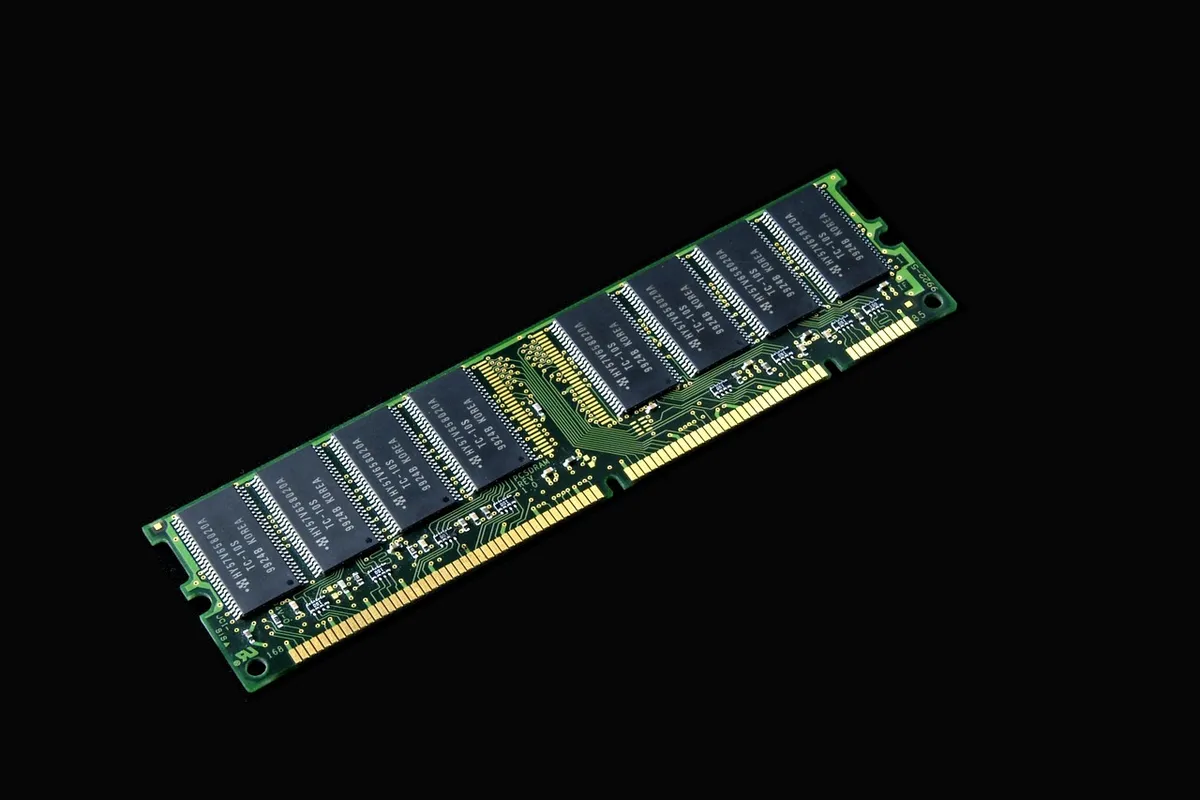
This shortage in processing power necessitates high-performance memory to ensure that the available silicon is utilized at maximum efficiency.
The interplay between CPU shortages and memory demand creates a complex environment for hardware manufacturers. When processing power is limited, the efficiency of the memory paired with it becomes even more critical. This dynamic drives the push for higher-performance standards like HBM4.
How are manufacturers managing these unprecedented cost surges?
A warehouse manager walks through aisles of stacked inventory, checking the levels of specialized memory modules. Companies are employing various strategies to mitigate the financial impact of rising component prices.
Some organizations have increased their inventory levels to hedge against further price hikes.
For instance, Lenovo's Chief Financial Officer Winston Cheng described the cost surge as "unprecedented" and disclosed that the company's memory inventories were approximately 50% above normal levels in anticipation of further price increases.
This proactive approach aims to secure supply before costs escalate further.
Other manufacturers are reassessing their entire pricing structures. Some have even halted specific orders to re-evaluate how they will absorb or pass on these costs. These tactical shifts are necessary to maintain profitability in a high-cost environment.
What are the specific risks of the current supply landscape?
A logistics coordinator tracks a shipment of wafers moving across the ocean on a digital map. The risks associated with the current supply landscape involve both immediate cost spikes and long-term capacity constraints.
The transition from legacy to advanced manufacturing poses a significant risk to supply stability. As seen with the 60% rise in certain NAND wafer categories in late 2025, the loss of older production capacity can lead to immediate price shocks.
This makes the industry highly sensitive to any changes in manufacturing output.
Furthermore, the concentration of demand on specific high-end components can lead to bottlenecks. When specific technologies become the industry standard, any disruption in their production can stall entire sectors.
This vulnerability underscores the importance of diversifying manufacturing capabilities.
Comparing the cost and supply pressures
The following table compares the recent shifts in different component categories to illustrate the volatility of the market.
| Component Category | Primary Driver of Change | Observed Impact |
|---|---|---|
| NAND Wafers | Retirement of legacy capacity | Over 60% monthly increase in certain categories |
| CPU Modules | Low fabrication capacity/Server demand | Forecasted price increase of up to 15% |
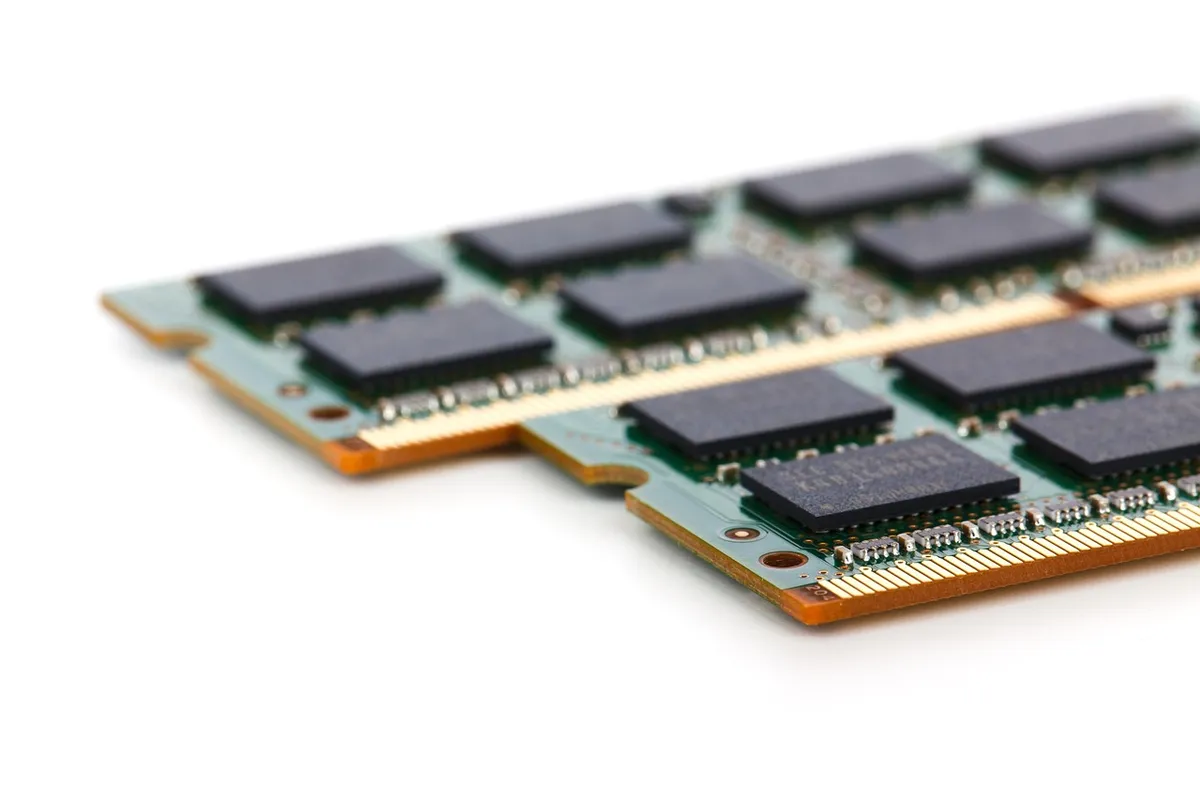
The table shows that different components face unique pressures based on their manufacturing status and demand profiles.
- How does Samsung HBM4 mass production impact the market?
- Why is the industry seeing such a sudden surge in component costs?
- What role does CPU availability play in the memory market?
The same subject is also called Samsung HBM4 first shipment.
The same subject is also called Top performance HBM4 launch.
The same subject is also called HBM4 industry breakthrough.
The same subject is also called Samsung leads memory tech.
This part also covers AI chip memory innovation.
This part also covers Semiconductor industry leap.
AI chip memory innovation
Related