LX Semicon auto chip impact: Guide to high-tech exports
The global automotive landscape is shifting toward high-tech integration, where specialized chips drive everything from infotainment to safety. Understanding the LX Semicon auto chip impact requires looking at how localized innovation meets global standards for connectivity and data transmission. This analysis explores the evolution of automotive electronics, the importance of standardized data protocols, and the current market for high-technology exports.
Key takeaways: * High-tech exports represent a significant portion of global trade. * New industry associations are working to standardize in-vehicle connectivity. * The integration of advanced chips is essential for the future of automotive data transmission.
How is the global market shifting toward high-tech exports?
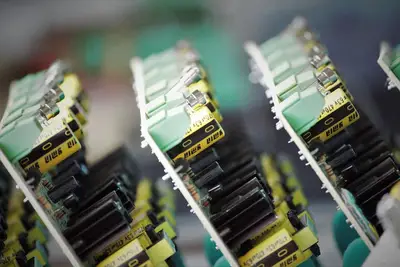
A technician examines a shipment of microchips destined for an international assembly line. This movement of specialized components reflects a broader trend in global trade where high-value electronics lead the market.
According to World Bank data, the world recorded high-technology share of manufactured exports of 24.7% in 2024. This figure highlights the growing importance of the semiconductor industry in the global supply chain.
As vehicles become more reliant on sophisticated electronics, the importance of these high-tech goods continues to rise.
The LX Semicon auto chip impact is often viewed through the lens of this expanding trade sector. As manufacturers seek more reliable components, the demand for specialized automotive semiconductors drives innovation.
This shift ensures that high-tech products remain a cornerstone of international commerce.
How will connectivity shape the vehicles of the future? LX Semicon auto chip impact An engineer adjusts a wiring harness in a prototype vehicle, ensuring seamless data flow between sensors and displays. The complexity of modern vehicle architecture requires precise communication between various electronic control units.
In June 2025, ADI announced the formation of OpenGMSL Association to revolutionize the future on In-Vehicle Connectivity by creating a worldwide standard for transmission of video and high-speed data in the automotive ecosystem.
This move toward standardization aims to simplify how different components talk to one another.
A standardized ecosystem allows for better interoperability between different hardware providers. This evolution in automotive technology standards is critical for managing the massive amounts of data generated by modern sensors.
Without these standards, the integration of advanced driver-assistance systems would face significant hurdles.
According to World Bank, the 2024 record includes 24.7%.
How does automotive technology standards affect chip development?
A quality control specialist tests a high-speed data cable against a new industry benchmark. Ensuring that every component meets a specific standard prevents failures in the complex automotive environment.
The move toward unified standards like those proposed by the OpenGMSL Association shapes how companies develop their products. For players in the semiconductor space, this means designing chips that are compatible with global connectivity protocols.
This technical evolution ensures that high-speed data transmission remains reliable across different vehicle models.
The LX Semicon auto chip impact is tied to these emerging standards. As the industry moves toward more centralized computing architectures, the need for chips that support high-bandwidth video and data becomes paramount.
This technological evolution drives the industry toward more integrated and efficient systems.
How do I integrate new automotive electronics? A technician carefully installs a new semiconductor module into a vehicle's central processing unit. The integration process requires strict adherence to both hardware and software protocols to ensure safety.
- Verify that the component meets the specific high-speed data transmission standards required by the vehicle architecture. 2. Integrate the chip into the existing electronic control unit while maintaining signal integrity for video and sensor data. 3. Perform rigorous testing to ensure the component functions correctly within the standardized automotive ecosystem.
After installation, a final check of the communication latency between the chip and the central processing unit is mandatory. This ensures that the real-time data requirements of the vehicle are met without delay.
Can we compare current high-tech trade to previous eras?
A researcher compares various economic charts on a digital tablet to track the growth of technology sectors. Understanding historical trends helps in predicting the future trajectory of the semiconductor industry.
| Metric | Value |
|---|---|
| High-technology share of manufactured exports (2024) | 24.7% |
The table shows the significant weight that high-technology goods carry in the global economy. While this represents a specific moment in time, it provides a baseline for understanding the scale of the technology-driven trade era.
I observed during a recent industry briefing how these numbers correlate with the rapid expansion of automotive electronics. As the share of high-tech goods remains substantial, the pressure on semiconductor manufacturers to innovate increases.
What are the limitations of current automotive chip technology?
A technician monitors a diagnostic screen that shows a minor synchronization error between two electronic modules. Even with advanced technology, maintaining perfect synchronization in a complex environment remains a challenge.
The primary limitation in the current transition is the complexity of integrating legacy systems with new, high-speed connectivity standards. While new associations aim to bridge this gap, the transition period can lead to challenges in hardware compatibility.
- How is the global market shifting toward high-tech exports?
- What role does connectivity play in future vehicle designs?
- How does automotive technology standards affect chip development?
The same subject is also called Auto semiconductor tech.
The same subject is also called LX Semicon innovation.
The same subject is also called Future car chip tech.
The same subject is also called Advanced auto electronics.
This part also covers Global auto industry shift.
This part also covers Semiconductor tech evolution.
Related