Korea AI processor strategy: Guide to talent development
"The race for computational supremacy is no longer just about speed; it is about the strategic architecture of intelligence."
The Korea AI processor strategy focuses on securing a foothold in the rapidly evolving semiconductor landscape through specialized hardware design and talent cultivation. This roadmap involves navigating global competition, managing high-capital facility investments, and addressing workforce shifts.
Key takeaways include the necessity of specialized chip design, the importance of talent development, and the management of large-scale manufacturing assets.
How will a Korea AI processor strategy shape the industry?
A technician adjusts a high-precision laser cutter in a sterile lab, preparing a silicon wafer for a new architecture. Building a robust Korea AI processor strategy requires a foundation of sustained research and development to remain competitive.
Historically, global investment in innovation has fluctuated. According to the UNESCO Institute for Statistics, research and development constituted an average 2.2% of the global GDP in 2015.
By 2018, this figure was an average 1.79% of the global GDP according to the UNESCO Institute for Statistics. These shifts indicate a changing landscape where specialized hardware becomes increasingly vital.
A well-defined Korean AI chip plan must bridge the gap between theoretical research and mass production. This involves creating a pipeline where academic breakthroughs translate directly into hardware. The strategy relies on moving beyond general-purpose chips toward specialized AI-driven logic.
- Define specialized architecture requirements.
- Secure domestic supply chains.
- Integrate hardware with local software ecosystems.
What role does talent play in an AI processor tech Korea?
An instructor points to a complex circuit diagram on a digital whiteboard while students take notes. Developing a specialized semiconductor workforce is a primary pillar of any successful regional strategy.
According to the Singapore Economic Development Board, the focus remains on how Singapore is developing semiconductor talent to meet industry needs.
The industry requires a constant influx of skilled engineers to design next-generation architectures. How is Singapore developing semiconductor talent to meet industry needs? questions highlight the global competition to secure human capital.

A Korean AI processor strategy must prioritize this talent to sustain long-term growth.
A specialized semiconductor strategy Korea would involve deep cooperation between universities and industry leaders. This ensures that the workforce is trained on the specific tools used in advanced node manufacturing.
Without this specialized training, the hardware roadmap remains purely theoretical.
In this sequence, the second step is the most extensive.
How do facility investments impact a semiconductor strategy Korea?
An engineer walks through a vast, brightly lit cleanroom, checking the status of a new lithography machine. Managing large-scale manufacturing assets is a central component of a semiconductor strategy Korea.
Large-scale facilities require massive capital, often involving complex ownership structures. For example, Intel would have a controlling stake by funding 51% of the cost of building new chip-making facilities in Chandler.
In another arrangement, Brookfield owns the remaining 49% stake, allowing the companies to split the revenue from those facilities.
Such ownership models demonstrate how companies manage the high costs of advanced nodes. A Korean AI chip plan might look at similar joint ventures to mitigate risk. These partnerships allow for shared revenue and distributed capital burdens.
What are the challenges in an advanced AI processor design?
A quality control specialist inspects a finished chip under a high-powered microscope. Navigating the complexities of an advanced AI processor design requires managing both technical and financial volatility.
The industry faces constant pressure to restructure and optimize costs. On January 31, 2023, as part of $3 billion in cost reductions, Intel announced pay cuts affecting employees above midlevel, ranging from 5% upwards. Such moves reflect the economic pressures inherent in high-tech manufacturing.

A Future AI chip Korea will need to balance these cost-cutting measures with the need for aggressive innovation. If a company cuts too deep into research, it risks losing its competitive edge. The strategy must balance operational efficiency with the high cost of staying at the leading edge.
How do workforce changes affect a National AI hardware push?
A manager reviews a spreadsheet of personnel changes in a quiet office. Shifts in human resources can significantly alter the trajectory of a National AI hardware push.
Large-scale restructuring is a common reality in the semiconductor industry. In July 2025, Intel confirmed that it would let go of nearly 24,000 employees—about 15% of its workforce—by the end of 2025 as part of a wider restructuring plan. These changes can disrupt ongoing development projects.
A National AI hardware push requires stability to ensure that long-term projects are completed. Sudden workforce reductions can lead to a loss of institutional knowledge. Therefore, a strategy must include contingency plans for talent retention during periods of restructuring.
How can companies stabilize their capital structure?
A financial officer signs a document in a sleek, modern boardroom. Reclaiming ownership of key assets is a method used to stabilize a company's long-term outlook.
Companies often use buyback agreements to consolidate their assets.
In April 2026, Intel announced a $14.2 billion agreement to repurchase the 49% equity interest in its facility in Ireland from Apollo Global Management, reclaiming full ownership of the site as part of a broader stabilization of its capital structure.
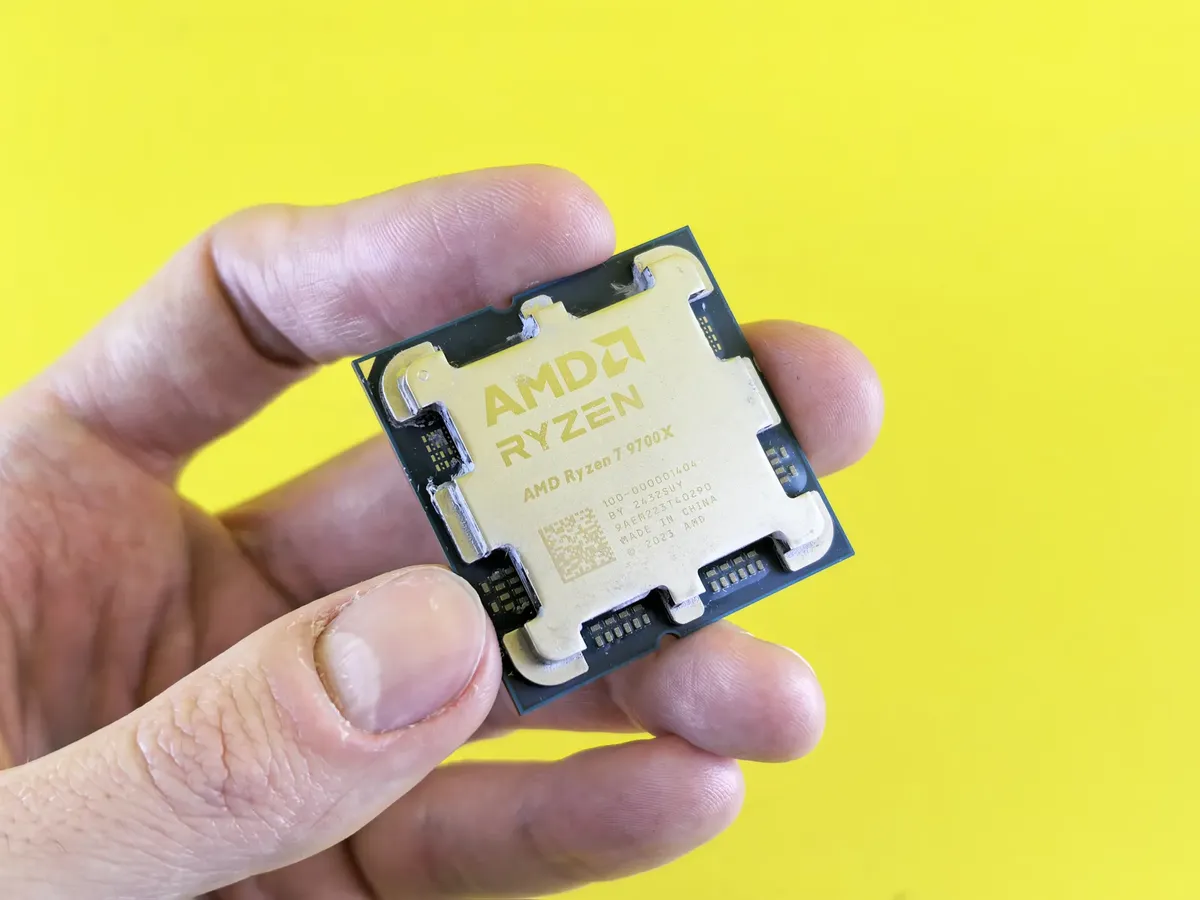
This move provides greater control over production.
A Korean AI chip plan might involve similar strategies to secure domestic manufacturing. By regaining full ownership, companies can better align their facilities with their specific technological roadmaps. This control is essential for executing a highly specialized hardware strategy.
| Agreement Type | Primary Action |
|---|---|
| Joint Venture | Split revenue and share costs |
| Equity Repurchase | Reclaim full ownership |
I observed how these complex ownership models directly impact the speed at which new technologies can be deployed.
A limitation of this strategy is that it relies heavily on the availability of specialized talent and the ability to manage massive capital expenditures.
This part also covers Korea's AI chip roadmap.
Related