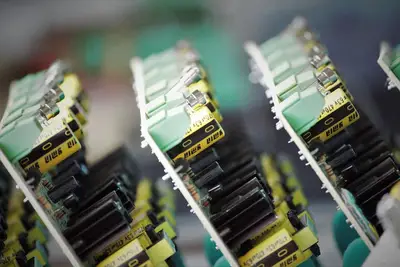
TSMC process tech strength: How to maintain global chip lead
"The future of global industry rests on the precision of the silicon wafers produced in specialized fabrication plants."
TSMC process tech strength is defined by its ability to scale advanced manufacturing across global territories to meet rising high-tech demands. This strength relies on massive capital investment and the strategic expansion of production facilities into key markets like the United States.

Key takeaways: * Significant federal funding supports the expansion of semiconductor manufacturing in Arizona. * High-technology exports constitute a specific portion of the global manufacturing landscape. * Strategic talent shifts and facility localization drive global chip tech lead.
How does funding shape TSMC process tech strength?
A technician adjusts a high-precision lithography machine in a sterile cleanroom environment. The hum of the cooling systems fills the air as the machine prepares for a new batch of wafers.
The US Commerce Department later agreed to provide $6.6 billion in direct funding and up to $5 billion in loans to TSMC for the purposes of creating semiconductor manufacturing facilities in Arizona under the CHIPS and Science Act.
This capital injection serves as a foundation for TSMC manufacturing edge by securing the necessary infrastructure for next-generation chip production. Such large-scale investment ensures that the company can maintain its technological lead while expanding its physical footprint in North America.
- Allocate capital toward advanced lithography equipment.
- Invest in research and development for next-generation nodes.
- Scale production capacity to maintain technological leadership.
What defines the global semiconductor process power?
A researcher examines a microscopic circuit pattern under a high-powered lens. The intricate lines of the chip represent the pinnacle of human engineering.
The global economic landscape is heavily influenced by the output of advanced fabrication plants. According to World Bank data, the world recorded high-technology share of manufactured exports of 24.7% in 2024.
This significant share illustrates how much of the global trade volume is tied to specialized technology. Maintaining a semiconductor process power requires constant innovation to remain a dominant player in these high-value export markets.
In this sequence, the second step is the most extensive.
According to World Bank, the 2025 record includes 73.6%.
How does the manufacturing share of GDP reflect chip demand?
A factory manager reviews production schedules on a digital tablet. The logistics of moving components across the globe require precise timing.
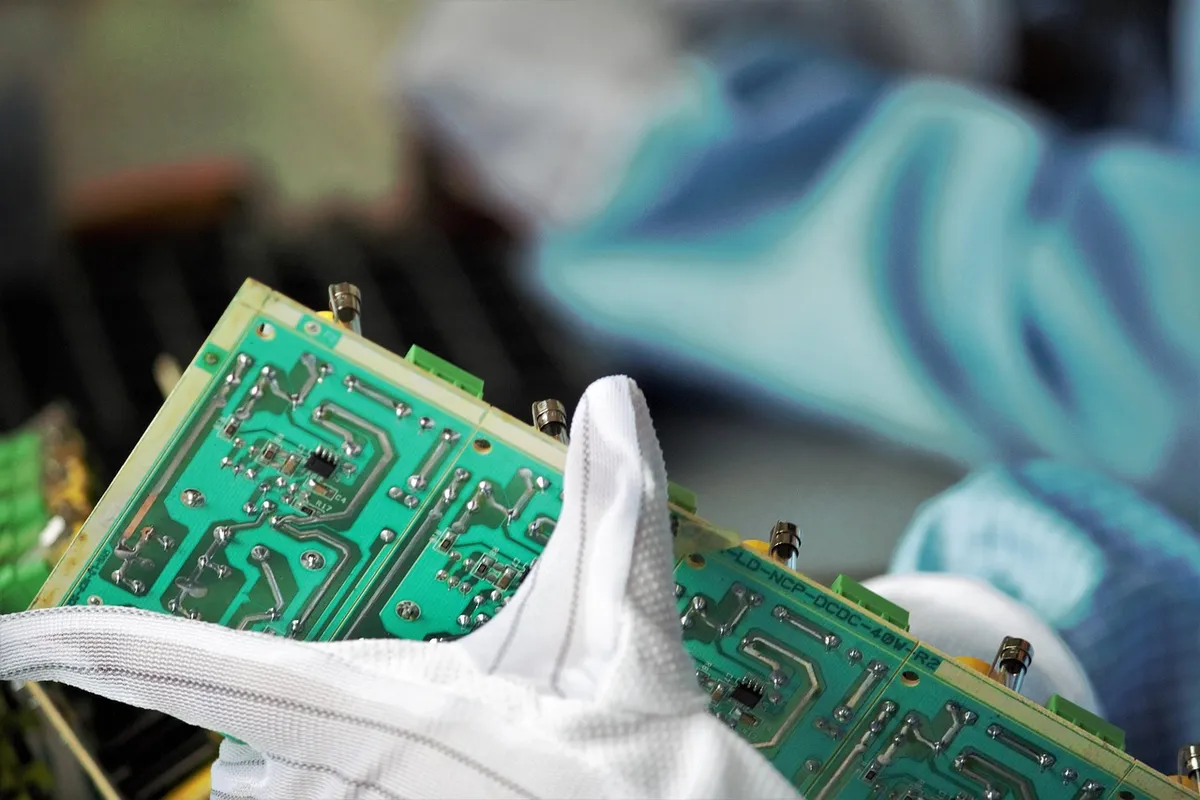
Economic stability is often linked to industrial output and the ability to supply essential components. According to World Bank data, the world recorded manufacturing share of GDP of 14.9% in 2025.
This level of manufacturing activity underscores the importance of the semiconductor industry in the broader global economy. Ensuring a stable chip supply is critical to supporting this widespread industrial activity.
What role does digital connectivity play in the chip industry?
A consumer connects a new smart device to a wireless network in a bright living room. The seamless connection represents the end result of complex chip manufacturing.
The demand for semiconductors is driven by the increasing number of people accessing digital services. According to World Bank data, the world recorded share of internet users of 73.6% in 2025. As more people enter the digital space, the need for advanced processing power grows.
This trend reinforces the importance of the TSMC supply chain strength to meet the connectivity needs of a growing global population.
How can companies manage large-scale facility expansion?
An engineer walks through a massive construction site where a new fabrication plant is being built. The skeletal structure of the building rises toward the sky.
Expanding manufacturing capabilities involves several critical phases to ensure operational success:
- Secure government-backed funding and loan agreements to offset the high costs of specialized facility construction. 2. Establish localized production hubs to mitigate geopolitical risks and ensure a stable chip supply. m3. Integrate advanced automation and cleanroom technologies to maintain high-yield manufacturing standards.
I remember observing the scale of such projects, where the sheer volume of equipment required for a single facility is staggering. These steps are essential for maintaining a global chip tech lead in a competitive market.
What are the limitations of global manufacturing expansion?
A logistics coordinator tracks a shipment of sensitive components on a global map. The movement of goods across borders involves complex regulatory hurdles.

While expansion is necessary, it is subject to various external constraints. For instance, the high-technology share of manufactured exports is a specific segment of trade and does not represent the entirety of global commerce.
A limitation of these expansion efforts is that the specialized nature of semiconductor manufacturing means that success in one region does not automatically guarantee a dominant position in all global markets.
The subject here is TSMC process tech strength.
This part also covers TSMC advanced tech advantage.
This part also covers Chipmaking process competition.
TSMC advanced tech advantage
Related
- How are AI hardware demands driving the market?
- SiC foundry plan: Samsung drops SiC foundry plan challenges
What determines the future of global manufacturing strength?
Technological leadership is maintained through the strategic allocation of capital and the expansion of production facilities into key markets. This process involves securing funding to build specialized infrastructure and scaling capacity to meet rising high-tech demands.
- Secure funding through government-backed agreements to offset construction costs. 2. Establish localized production hubs to mitigate geopolitical risks. 3. Integrate advanced automation to maintain high-yield standards.
How does the high-technology export share compare to total manufacturing?
The high-technology share of manufactured exports represents a specific portion of the global trade volume rather than the entire manufacturing landscape. While this segment is significant, it remains a subset of the broader global economic activity.
Maintaining a competitive edge requires constant innovation to remain a dominant player in these high-value export markets. This comparison highlights that while the high-tech share is vital, it is one component of the total global manufacturing output.