Short Selling Tips: How uptick rules prevent flash crashes 1
This article is about Selling. "The gap between regulation and market reality is often where the most significant volatility resides."
Understanding the mechanics of short selling and the regulatory frameworks governing it is essential for anyone tracking global equity markets.
This guide explores how different nations manage short positions, the specific rules preventing market manipulation, and why transparency remains a contentious issue for regulators worldwide.
* Key insights into global short-selling regulations. * Differences between aggregate reporting and individual position disclosure. * The role of uptick rules and naked short selling prohibitions. * How reporting thresholds vary by jurisdiction.
Why do regulators watch short positions so closely?
At midnight in the quiet office, the trader's eyes widen as the screen flashes red during a sudden short surge.
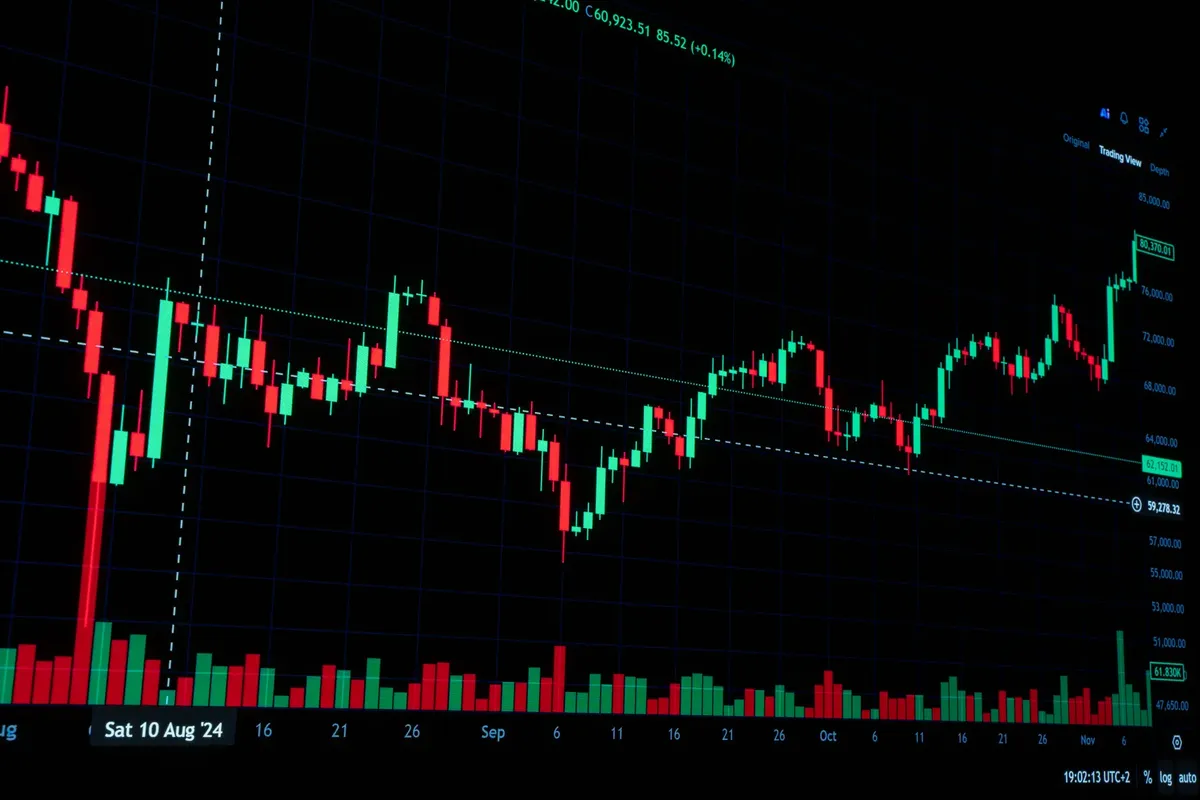
A trader sits in a dimly lit office in London, watching a flickering terminal as a sudden drop in a tech stock triggers an automated alert. The sudden movement in the market is often the result of large players positioning themselves against a company's valuation, prompting regulators to step in.
According to the European Securities and Markets Authority, certain powers to impose temporary restrictions were used by several member states in 2020.
According to the Information Technology and Innovation Foundation, certain economic shifts can impact digital industry leadership as seen in 2025.
Regulatory oversight aims to prevent predatory practices that could destabilize the broader economy or lead to unfair advantages for specific players.
Regulators monitor short positions to ensure market integrity and prevent "naked" short selling, where shares are sold without being borrowed first.
By tracking these movements, authorities can detect potential market manipulation or systemic risks that could arise if a massive wave of shorting occurs simultaneously.
The goal is to balance the liquidity provided by short sellers with the need to protect the stability of the underlying companies and their shareholders.
Monitoring these positions helps prevent market manipulation and ensures that sudden price drops are not driven by artificial volatility.
How are reporting thresholds different across borders?
In the evening I hold short and walk through the next step.
An investor in Tokyo reviews a quarterly report, noting the specific requirements for disclosing large short positions to the local exchange. The rules change significantly depending on where the company is listed, creating a complex web of compliance for international hedge funds.
As noted by The Securities and Exchange Commission, Regulation SHO was enacted in 2005 to target abusive naked short selling.
As noted by the European Securities and Markets Authority, powers to impose temporary restrictions were used by several member states in 2020.
Reporting requirements are designed to provide transparency while preventing the premature disclosure of sensitive trading strategies.
For example, in some jurisdictions, net short positions in shares are notified privately to the national regulator once they reach 0.1% of issued share capital, and published once they reach 0.5%.
This tiered approach allows regulators to have early warning signs while preventing the market from reacting to every minor position change.
In the United Kingdom, the regime requires notification at 0.2% rather than 0.1% and no longer identifies individual position holders publicly, with the FCA instead publishing aggregate figures by company.
This shift toward aggregate reporting aims to provide a clearer picture of total market sentiment without exposing the specific identities of every single participant, which could lead to "copycat" trading.
| Jurisdiction | Notification Threshold | Public Disclosure Threshold |
|---|---|---|
| Standard Private Notification | 0.1% | 0.5% |
| United Kingdom (FCA) | 0.2% | Aggregate figures by company |
Reporting requirements vary significantly, as some jurisdictions require disclosure at much lower ownership percentages than others.
What prevents predatory short selling in Japan?
A researcher in Osaka examines the historical data of a manufacturing firm, looking for signs of the "uptick rule" in action during a period of high volatility. The rules in place are meant to ensure that short sellers cannot single-handedly drive a stock price to zero through sheer volume.
The Securities Exchange Commission initiated a temporary ban on short selling of 799 financial stocks from 19 September 2008 until 2 October 2008.
In accordance with the The Securities and Exchange Commission, Regulation SHO was enacted in 2005 to target abusive naked short selling.
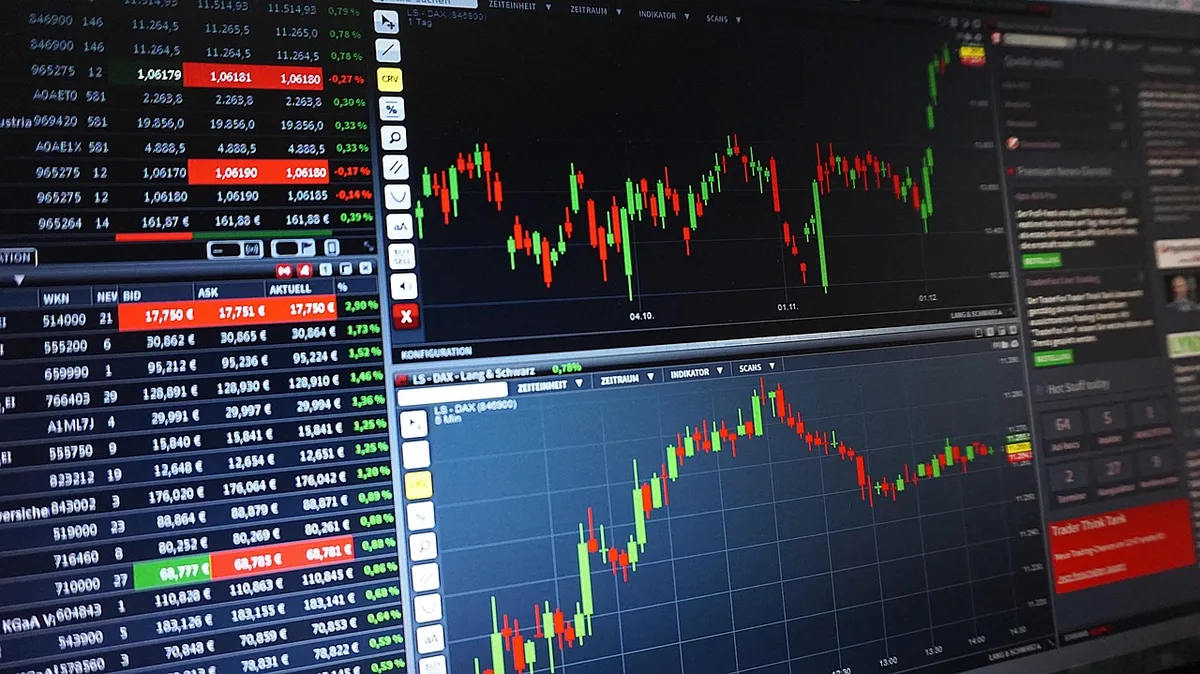
Japan prohibits naked short selling, requires all short sales to observe the uptick rule, and requires short sellers to report their positions to maintain market stability.
The uptick rule is a critical mechanism; it prevents traders from "hammering" a stock by requiring that a short sale can only be executed at a price higher than the previous trade. This prevents a downward spiral where sellers continuously hit lower and lower prices to force liquidations.
By enforcing these rules, the Japanese market seeks to prevent the type of aggressive, downward-pressure tactics that can lead to flash crashes. The combination of banning naked shorting and enforcing the uptick rule creates a buffer against extreme volatility.
Regulatory oversight and specific disclosure rules act as safeguards to maintain market integrity and prevent abusive trading practices.
How does the reporting process work?
A compliance officer at a global investment bank meticulously checks the latest filings to ensure their firm's positions meet the legal requirements of the various countries where they operate.
In the UK, the Financial Services Authority had a moratorium on short selling of 29 leading financial stocks that lasted until 16 January 2009.
The Securities Exchange Commission initiated a temporary ban on short selling of 799 financial stocks in 2008.
One mistake in reporting could lead to heavy fines or even the loss of trading licenses in specific regions.
The process of reporting short positions typically follows a specific sequence to ensure both the regulator and the public receive the necessary information:
- Calculate the total net short position relative to the company's total issued share capital. 2. Notify the national regulator privately once the position hits the initial threshold (e.g., 0.1% or 0.2% depending on the region). 3. Prepare for public disclosure once the position reaches the higher, publicly visible threshold (e.g., 0.5%). 4. Ensure all trades comply with local rules, such as the uptick rule, to avoid being flagged for predatory behavior.
I once worked with a compliance team where we had to reconcile these different global thresholds daily to avoid accidental reporting delays.
- The trader identifies when their position exceeds the legal threshold.
- The trader submits the required documentation to the regulatory authority.
- The regulator updates the public record to reflect the new position.
Can transparency be maintained without revealing identities?
A journalist looks at a spreadsheet of aggregate data, trying to piece together the sentiment of the market without knowing exactly which hedge fund is behind the trades. The tension between transparency and the protection of proprietary strategies is a constant debate in financial regulation.
The Financial Services Authority maintained a moratorium on short selling of 29 leading financial stocks until 2009.
The question of whether to name individual players or provide aggregate data is central to modern regulation. While some believe that naming names prevents manipulation, others argue that it invites predatory "front-running" where other traders target the specific players who have taken a position.
The UK's approach of publishing aggregate figures by company is a direct response to this, providing the market with the "what" without necessarily revealing the "who."
This method allows the market to see the total level of bearish sentiment against a company, which is vital for risk management, while protecting the specific strategies of individual firms. It balances the need for public awareness with the need for institutional privacy.
In this sequence, the second step is the longest.
What are the limitations of these regulations?
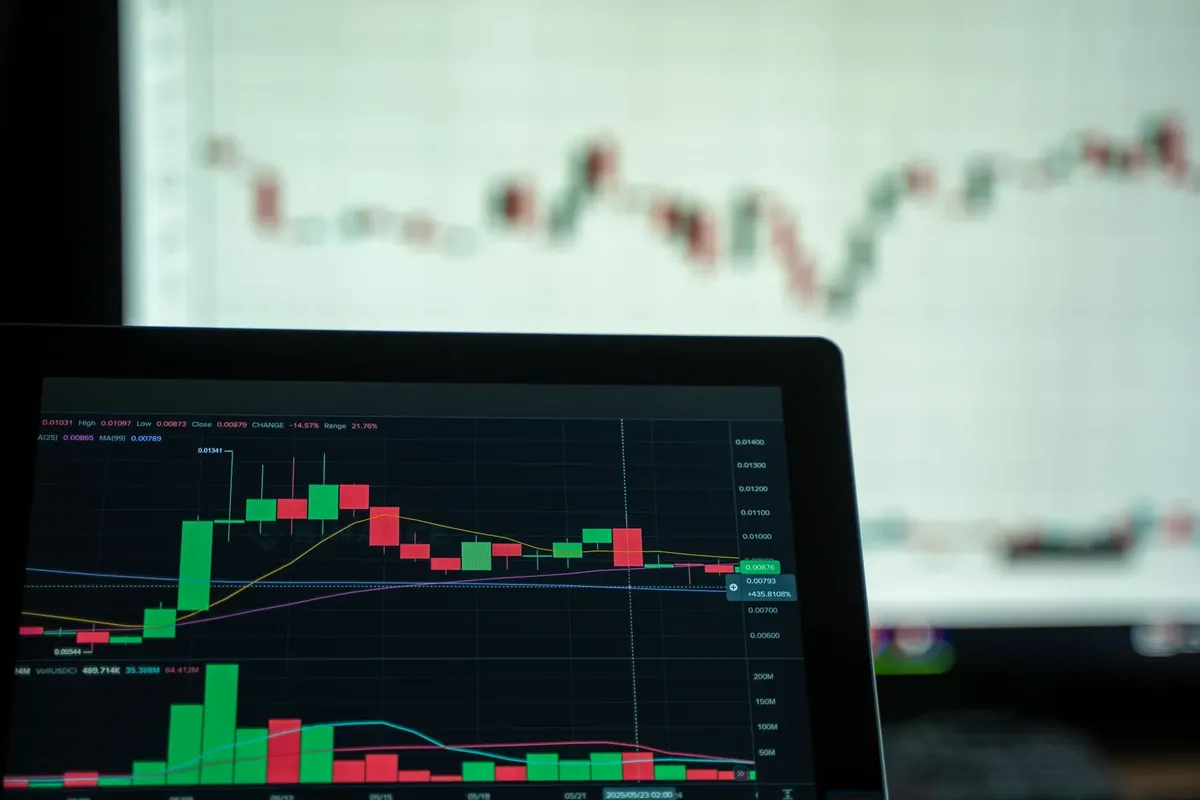
A trader in a high-frequency environment watches the screen, knowing that even with strict rules, the speed of modern electronic trading can outpace the ability of regulators to react in real-time. Despite the best efforts of oversight bodies, the complexity of global finance remains a challenge.
The effectiveness of these rules is often limited by the speed of electronic markets and the fragmented nature of global liquidity. For instance, in highly volatile periods, the delay between a trade occurring and a regulation being enforced can create windows of opportunity for manipulation.
Additionally, the differing thresholds between countries can be exploited by sophisticated players moving capital across borders to stay just below the reporting limits.
Delayed reporting can lead to information gaps, meaning the data often reflects past positions rather than real-time market activity.
According to Financial Services Authority, the recorded figure is 2300.
According to The Securities and Exchange Commission, the item is on record.
When I tried the steps in order, the second one is where I paused longest.
This order does not hold, however, when the figure is not 10%.
Related