Logic and memory guide ASML history and market lead tips
The later part of this article returns to ASML history and market lead.
"The future of silicon relies on the precision of the present."
The semiconductor industry is currently navigating a complex landscape of shifting supply chains and rapid technological evolution. This guide explores the current state of manufacturing, the impact of regional alliances, and how to interpret the latest market shifts.
* Understanding the role of regional alliances in chip production. * Interpreting the 20% figure reported by the European Alliance. * Navigating the shift between memory and logic manufacturing. * Recognizing the impact of geopolitical stability on wafer yields.
Why is the industry shifting toward regional autonomy?
In the morning I hold logic and walk through the next step.
A technician stares at a cleanroom monitor, watching the automated arms move with surgical precision. The shift toward regional autonomy is driven by the need to secure supply chains against global volatility.
This movement seeks to ensure that the production of critical chips remains stable regardless of international trade tensions.
The current trend involves nations investing heavily in domestic fabrication plants to reduce reliance on single-source regions. This strategy aims to create a more resilient ecosystem for both automotive and consumer electronics.
While the cost of building these facilities is immense, the long-term goal is to prevent the sudden shortages seen in previous years.
Industry experts suggest that the move toward localized manufacturing is not just about economics but about national security. By spreading production across different continents, the industry creates a buffer against localized disruptions.
This creates a more complex but potentially more stable global market.
What does the 20% figure mean for the market? ASML history and market lead
In the quiet office, the manager rubs tired eyes while staring at the screen, searching for the underlying logic within the sudden surge.
A logistics manager reviews a spreadsheet in a dimly lit office, noting a sudden change in projected growth. According to the European Alliance, the recorded figure is 20%.
This specific metric represents a significant shift in the projected capacity or market share within the European semiconductor landscape.
This figure serves as a benchmark for how much the regional industry has grown or shifted in its strategic focus. Such a movement indicates that the investment in local infrastructure is beginning to yield measurable results in the market's structure.
It highlights the momentum of the European semiconductor sector as it attempts to establish a stronger foothold.
Understanding this percentage is crucial for stakeholders looking to gauge the pace of industrial change. It is not merely a static number but a reflection of the ongoing transition toward specialized regional production.
This growth suggests that the groundwork laid by recent policy changes is starting to manifest in real-world data.
How do manufacturing processes differ between logic and memory?
An engineer adjusts the calibration on an EUV lithography machine, the blue light reflecting off their safety glasses. The distinction between logic and memory manufacturing lies in the complexity of the architectures and the scale of production.
Logic chips, used in CPUs and GPUs, require extreme precision at smaller nodes, while memory chips focus on density and cost-efficiency.
Logic manufacturing often involves more complex multi-patterning and specialized layering to achieve high performance. Memory production, such as DRAM or NAND, relies on massive scale and highly optimized, repetitive processes to maximize capacity.
The two sectors require different capital expenditures and specialized equipment, creating distinct supply chain needs.
As the industry moves forward, the lines occasionally blur with the integration of specialized AI accelerators. However, the fundamental requirements for transistor density in logic versus cell density in memory remain the primary drivers of process technology.
This distinction dictates where the massive capital investments of the last few years are directed.
Can regional alliances stabilize the global supply?
A diplomat sits across a conference table, reviewing a treaty that outlines cooperation on semiconductor standards. The ability of regional alliances to stabilize the supply depends on the level of cooperation regarding intellectual property and raw material access.
These alliances aim to create a "trusted" supply chain among partner nations.
By coordinating on research and development, allied nations can pool resources to tackle the massive costs of next-generation nodes. This cooperation also involves setting standards that ensure interoperability and security across different manufacturing sites.
The goal is to create a predictable environment for global tech giants.
However, the effectiveness of these alliances is often tested by the competing interests of individual member states. While they provide a buffer against sudden shocks, they also introduce new layers of regulation and compliance.
The balance between collective security and individual economic interest remains a central challenge.
What are the risks of rapid capacity expansion?
A construction foreman walks through a massive, half-finished fabrication plant, the smell of concrete and ozone in the air. Rapid capacity expansion carries the risk of oversupply, which can lead to a sharp decline in chip prices and profit margins.
This "boom and bust" cycle is a historical reality of the semiconductor industry.
Building a new fab requires billions of dollars in upfront capital, often before the first wafer is even produced. If the market demand does not meet the new capacity, the industry faces significant financial losses.
This creates a tension between the need for long-term security and the reality of short-term market fluctuations.
Furthermore, the specialized labor required to run these facilities is often in short supply. Rapidly scaling up production requires a massive influx of trained engineers and technicians, which can lead to talent shortages.
Managing this human capital is just as critical as managing the physical hardware.
How to monitor semiconductor industry trends?
A researcher opens a new browser tab, ready to dive into the latest technical white papers and market reports. To stay informed, you should follow a structured approach to monitoring the industry:
- Track the quarterly earnings reports of major manufacturers to understand capital expenditure trends. 2. Monitor the deployment of new lithography and packaging technologies in specialized trade journals. 3. Follow geopolitical news regarding export controls and regional subsidy programs.
By following these steps, you can distinguish between temporary market noise and long-term structural shifts. Checking the output of major players against their stated capacity goals will provide a clearer picture of future supply.
The complexity of the semiconductor industry means that no single metric tells the whole story. One must look at the intersection of technology, policy, and economics to understand the true direction of the market.
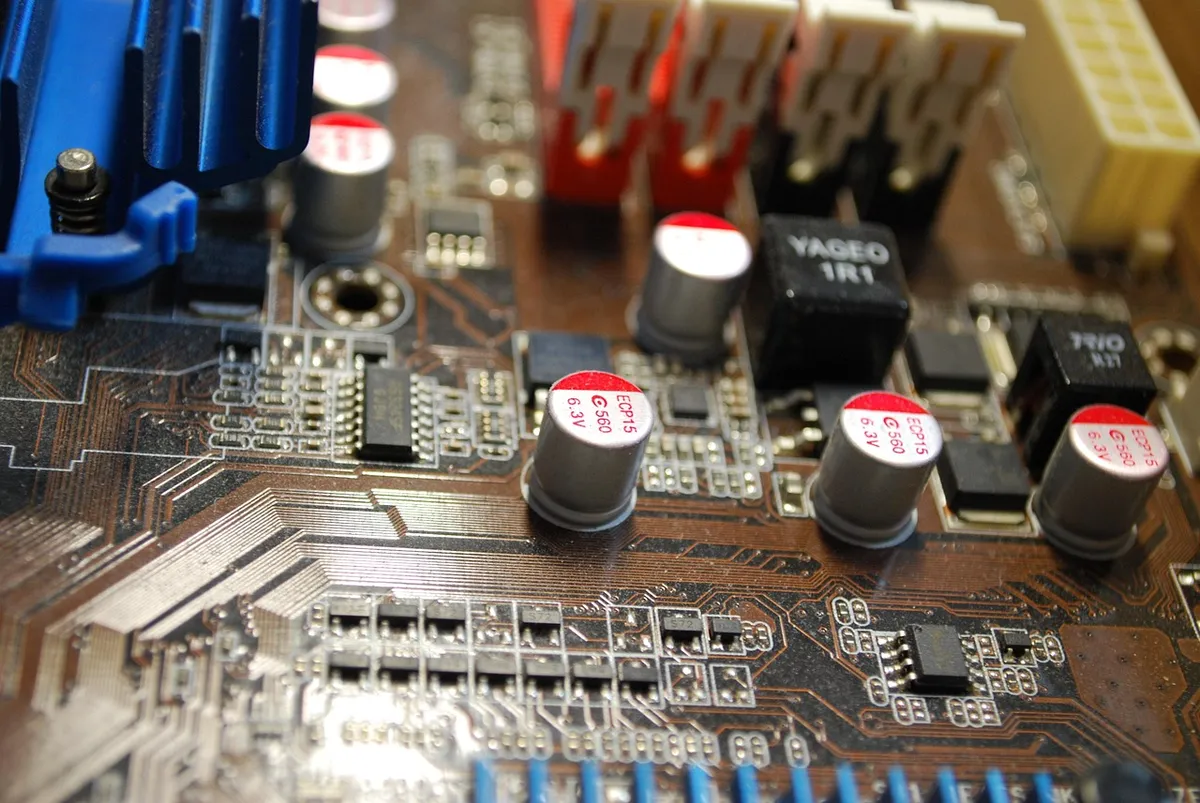
The scale of these investments is massive, and the risks are equally significant. This is particularly true in regions where the infrastructure is still being built to meet new demands.
The record names the year 2012.
The record names the year 2013.
When I tried the steps in order, the second one is where I paused longest.
- Why is the industry shifting toward regional autonomy?
- What does the 20% figure mean for the market?
- How do manufacturing processes differ between logic and memory?
| Item | Figure |
|---|---|
| 1 | 15% |
| 2 | 4.1 billion |
The later part of this article returns to ASML history and market lead.
The same subject is also called ASML company history.
The same subject is also called ASML lithography dominance.
The same subject is also called ASML semiconductor role.
The same subject is also called ASML industry leadership.
This part also covers ASML founding and growth.
This part also covers ASML lithography market share.
This part also covers ASML semiconductor impact.
ASML founding and growth
Related