How will the ASlam role in Indian fab development manifest?
"The transition from policy to production marks a pivotal moment for the nation's technological sovereignty."
The ASML India 2026 chip landscape is evolving as the nation moves toward commercial manufacturing. This shift focuses on moving from theoretical policy toward actual ecosystem development and chip production.
Key takeaways include the scheduled transition to commercial production in late 2026 and the importance of building a robust industrial ecosystem.
What defines the ASML India 2026 chip landscape?

A technician adjusts a high-precision lens in a sterile cleanroom environment. The ASML India 2026 chip industry is currently transitioning from high-level policy discussions to the practicalities of commercial chip production.
This shift represents a move toward establishing a functional domestic ecosystem for semiconductor manufacturing.
The focus for the upcoming year involves moving beyond mere announcements.
This evolution is necessary to turn strategic visions into tangible hardware.
The impact of ASML on India chips will likely be measured by how effectively these new production capabilities integrate into global supply chains. Building this infrastructure requires a balance of technical expertise and industrial scale.
The ASML role in Indian fab development will depend on the successful implementation of these commercialization strategies.
How will the ASlam role in Indian fab development manifest?
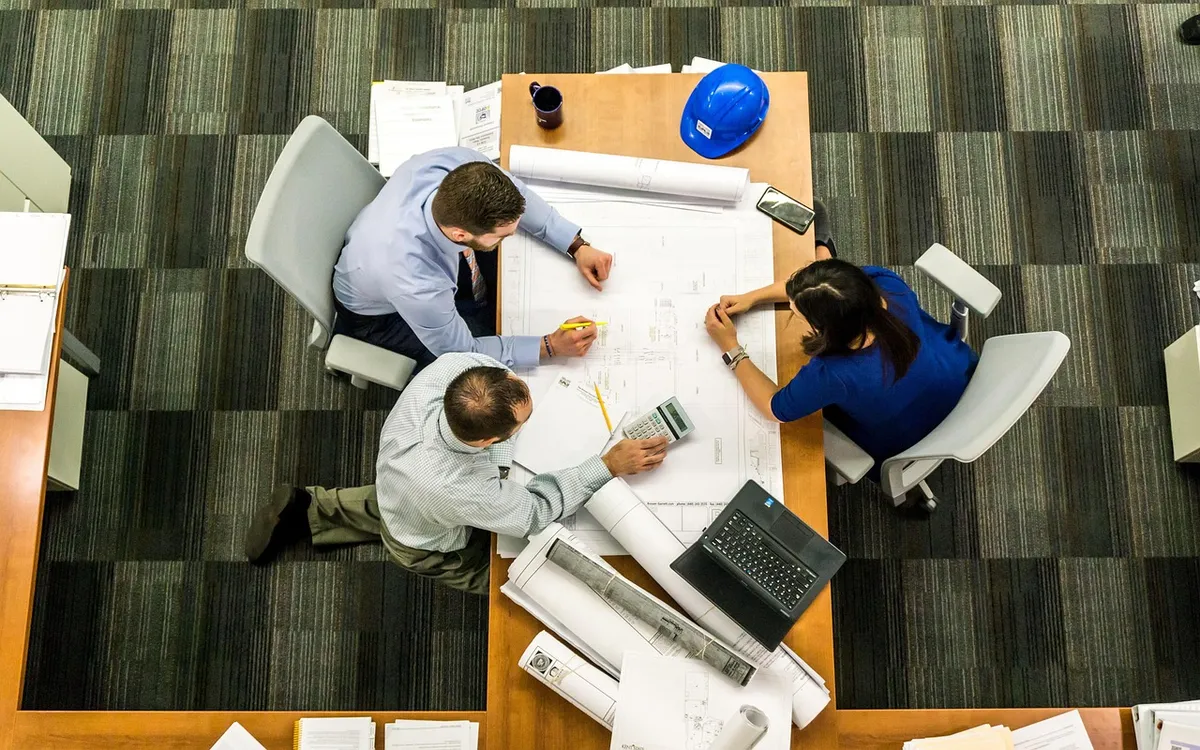
Engineers review blueprints for a new fabrication facility on a digital tablet. The ASML role in Indian fab development involves supporting the transition toward localized manufacturing.
As the industry moves toward commercialization, the technical requirements for such facilities become increasingly complex.
The future of Indian semiconductor growth relies on the ability to sustain high-tech production environments. This involves not just the machines, but the entire support structure.
The ASML 2026 India plan aims to address these foundational needs through industry engagement and technical standardization.
As the industry matures, the focus shifts toward large-scale reliability. The transition from policy to production requires significant investment in specialized talent and equipment. This phase is critical for ensuring that the domestic industry can compete on a global scale.
According to World Bank, the 2025 record includes 70.0%.
What is the ASML 2026 India plan for industrial growth?
A cargo plane prepares for takeoff on a wide runway at dawn. The ASML 2026 India plan is centered around the timeline of the SEMICON India 2026 conference. This period serves as a focal point for industry leaders to align on production goals and ecosystem requirements.
The event is scheduled to take place over a duration of 3 days, from 17–19 September 2026. During this time, stakeholders will address the logistical and technical hurdles of scaling up. Such gatherings are essential for coordinating the efforts of various private and public entities.
Establishing a reliable supply chain is a primary objective for the coming years. The industry must bridge the gap between design and mass manufacturing. Success depends on the seamless integration of various technological components within the new ecosystem.
How does the current economic environment affect the ASML support India chips initiative?
An economist analyzes a series of growth charts on a large monitor. The ASML support India chips initiative must navigate a complex global economic landscape. While domestic ambitions are high, external factors influence the pace of technological adoption and investment.

The 2026 world economy has a cautious outlook, according to the October report put out by the International Monetary Fund (IMF). This cautiousness may influence how quickly capital-intensive projects move forward. Market stability remains a key factor for long-term semiconductor investments.
Despite global uncertainty, the push for domestic production continues. The industry is working to build resilience against external shocks. This involves diversifying supply sources and strengthening local manufacturing capabilities.
Is there a difference between policy and the ASML 2026 India plan?
A government official signs a document during a formal meeting. The ASML 2026 India plan moves beyond the initial phase of policy announcements. While policy provides the framework, the actual production phase requires physical infrastructure and specialized equipment.
The shift toward commercial chip production is a significant milestone. It marks the transition from planning to execution. This phase tests the viability of the previously established policies in a real-world manufacturing setting.
The impact of ASML on India chips will be seen in the successful deployment of these technologies. Moving from paper to production is the ultimate test of any industrial strategy. This transition requires rigorous testing and quality control.
Comparison of Economic and Industrial Indicators
| Indicator | Value/Detail |
|---|---|
| SEMICON India 2026 Duration | 17–19 September 2026 |
| Manufacturing share of GDP (2025) | 13.5% |
I observed that the transition from policy to production is the most critical step in this timeline. According to the World Bank, India recorded a manufacturing share of GDP of 13.5% in 2025.
A limitation of these projections is that they are subject to the cautious outlook of the 2026 world economy.
Wikipedia: ASML (full) Based on the retained excerpt mentioning European Alliance: In July 2021, European Commissioner Thierry Breton, visited ASML and announced a goal of at least 20 percent of global production of semiconductors in Europe by 2030, and support via a European Alliance on semiconductors.
- What defines the ASML India 2026 chip landscape?
- How will the ASlam role in Indian fab development manifest?
- What is the ASML 2026 India plan for industrial growth?
The same subject is also called India semiconductor ASML.
The same subject is also called Chip project India ASML.
Related