Memory maker AI design: Trends in semiconductor AI tools
"The demand for artificial intelligence hardware has reshaped the landscape of the semiconductor industry, pushing the boundaries of how we design and value memory."
The shift toward AI-driven hardware has propelled semiconductor sales to record heights, creating a massive need for efficient memory design. This transition involves moving from traditional transistor-heavy architectures to high-bandwidth, scalable solutions that can handle complex data processing.
This article explores how the industry manages these shifting demands through technological evolution and how the current market environment shapes the future of chip design.

Key takeaways: * Semiconductor sales reached a record $791.7 billion in 2025. * Demand for AI hardware is a primary driver of industry growth. * Memory technology has evolved from simple transistor-based storage to high-bandwidth solutions.
How is the market for memory maker AI design shifting?
At dusk, the researcher rubs her tired eyes while staring at the glowing screen, watching the volatile market trends reshape the future of memory.
A researcher stares at a fluctuating market graph showing the massive surge in semiconductor value. The numbers on the screen reflect a world where hardware must keep pace with increasingly complex computational needs.
In 2025, the sales of semiconductors reached a record $791.7 billion, up 25.6%, driven largely by demand for artificial intelligence hardware, according to the Semiconductor Industry Association. This surge creates a constant pressure to innovate in the realm of memory maker AI design.
As hardware requirements grow, the industry must find ways to integrate smarter logic within the memory itself to prevent bottlenecks.
The rapid growth in the sector forces engineers to rethink how they approach chip architecture. This constant pressure to innovate ensures that the industry remains focused on throughput and efficiency.
Why is AI in chip design becoming a necessity?
An engineer adjusts the settings on a simulation tool, testing how a new layout handles massive data throughput. The goal is to ensure that the silicon can handle the heat and the speed required for modern workloads.
The integration of AI in chip design allows for more complex routing and optimized power management. This process is essential because modern workloads require much higher bandwidth than previous generations could provide.
For example, the DDR3 memory achieves 32 times higher bandwidth compared to older standards due to internal pipelining and wide data paths. Such advancements are necessary to support the massive data movement required by AI-driven applications.
Using AI in chip design helps manage the intricate complexities of modern sub-nanometer processes. This capability allows for more reliable and efficient chips.
How does memory design efficiency impact the bottom line?
A manager reviews a cost-benefit analysis of a new manufacturing process intended to increase yield. The focus is on how much more data can be packed into the same physical space without increasing the cost per bit.
Maintaining high memory design efficiency is critical for maintaining market dominance. Historically, cost advantages were decisive; for instance, the 16 Kbit Mostek MK4116 DRAM, introduced in 1976, achieved greater than 75% worldwide DRAM market share.

As densities increase, the ability to maintain a cost-effective footprint becomes the primary driver of adoption. This efficiency ensures that the hardware can scale alongside the growing needs of data centers and consumer devices.
The relationship between density and cost remains a fundamental pillar of the industry. Success relies on balancing these two factors during the design phase.
What are the trends in semiconductor AI tools?
A technician monitors a cleanroom environment where automated arms move silicon wafers with precision. The automation relies on sophisticated software to ensure every movement is optimized for speed and accuracy.
The adoption of semiconductor AI tools allows for faster prototyping and more accurate modeling of electrical characteristics. These tools help engineers predict how a chip will behave under various thermal and electrical loads.
This predictive capability is vital for creating reliable hardware that can operate at the edge of its physical limits. By simulating complex scenarios, designers can avoid costly mistakes in the physical manufacturing stage.
These tools bridge the gap between theoretical design and physical reality. They enable the creation of chips that are both powerful and stable.
How is AI for memory tech changing the way we think about bandwidth?
A developer runs a stress test on a high-performance server, watching the throughput numbers climb. The goal is to see how the system handles the massive influx of data from the AI models.
The shift toward AI for memory tech focuses heavily on solving the bandwidth bottleneck. Different generations of memory have seen massive jumps in performance; for example, WRAM offered up to 25% greater bandwidth than VRAM and accelerated commonly used graphical operations.
As the industry moves toward even more specialized hardware, the focus on bandwidth becomes even more acute. This constant pursuit of speed is what drives the iterative nature of the semiconductor industry.
The focus on bandwidth ensures that the processor is never waiting for data. This creates a seamless flow of information necessary for real-time processing.
What are the current challenges in the industry?
A logistics specialist tracks the movement of components across the globe on a digital map. The complex web of supply chains represents both the strength and the vulnerability of the global electronics market.
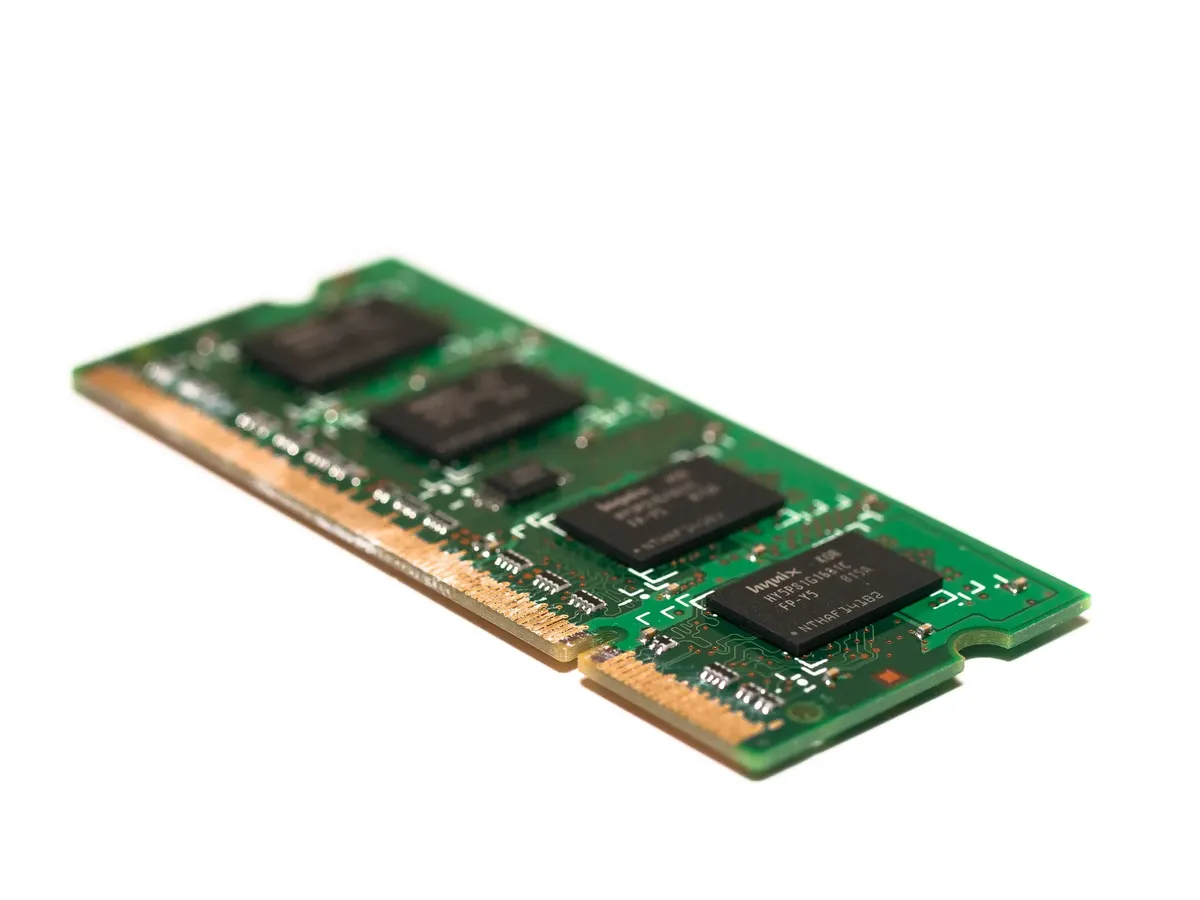
The industry faces significant volatility in pricing and supply. In early 2026, DRAM prices experienced compounded increases, some exceeding 200% since early 2025. Such volatility makes long-term planning difficult for manufacturers and end-users alike.
While the growth is substantial, the cost of scaling production to meet AI demand creates significant financial pressure.
| Feature | Historical Context | Modern Context |
|---|---|---|
| Market Driver | Basic computing needs | AI hardware demand |
| Price Volatility | Stable growth periods | Compounded increases in 2026 |
I observed how these price fluctuations could drastically change the feasibility of a project overnight. Such volatility is a constant reality in the current market.
A limitation of the current data is that the specific impact of the 2026 price increases on specific sub-sectors is not detailed in the provided records.
Wikipedia: Manufacturing
- How is the market for memory maker AI design shifting?
- Why is AI in chip design becoming a necessity?
- How does memory design efficiency impact the bottom line?
This part also covers How AI boosts chip reliability.
This part also covers Memory design innovation trends.
This part also covers Adopting AI in chip making.
How AI boosts chip reliability
Related