Chainer Tips: 15 minutes Guide to Preferred Networks Chainer
"The pursuit of computational efficiency often drives the creation of tools that redefine the boundaries of speed and scale."
Preferred Networks developed the Chainer framework to advance deep learning through open-source innovation and high-performance computing. This article examines the technical impact of the framework, its collaborative reach, and the record-breaking speeds achieved during its peak development.

Key takeaways include the framework's role in industrial collaboration, its massive scaling capabilities on GPU clusters, and the historical context of its development cycle.
How did Chainer impact industrial collaboration?
A researcher sits at a terminal, watching lines of code interface with complex industrial hardware. The development of the open-source deep learning framework Chainer, which saw development cease in December 2019, facilitated various advanced initiatives through specialized partnerships.
These partnerships allowed the technology to be applied to diverse sectors ranging from automotive manufacturing to medical research.
By providing an open-source foundation, the developers ensured that specialized industries could adopt and refine the tools for specific tasks. This collaborative environment helped bridge the gap between theoretical AI research and practical industrial application.
- Define shared architectural requirements.
- Integrate modular components across teams.
- Standardize deployment protocols.
What were the record-breaking performance capabilities? Preferred Networks Chainer
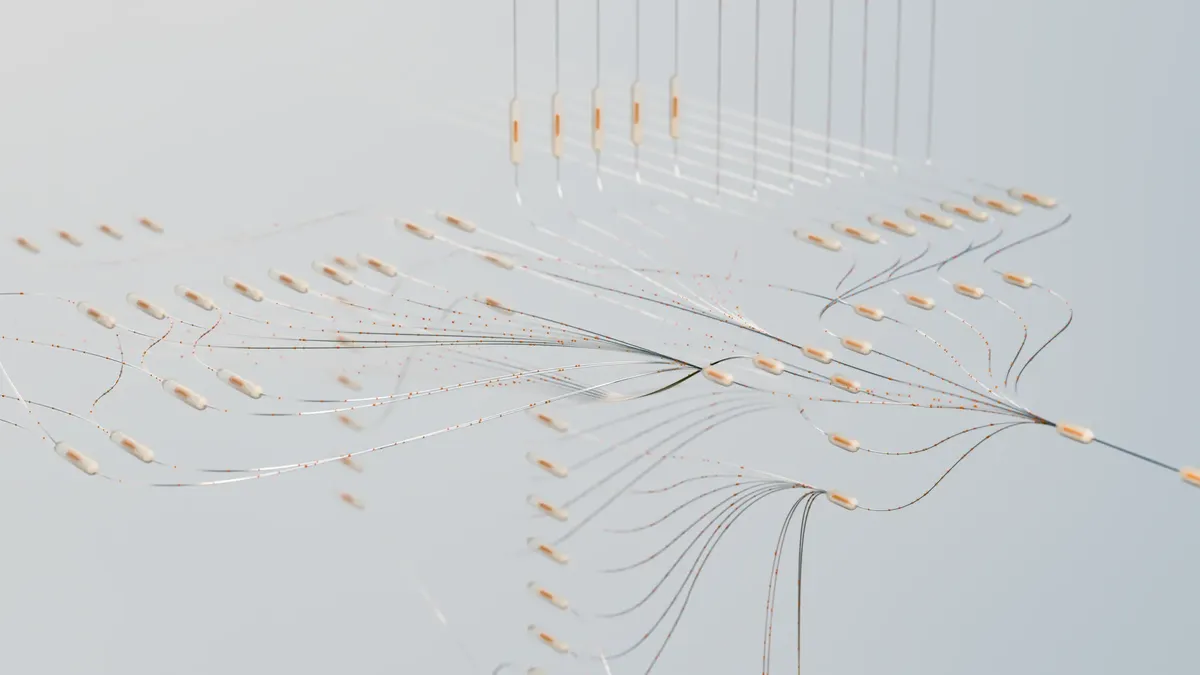
Engineers watch a massive server rack hum with power as thousands of processes execute simultaneously. The sheer scale of the hardware used to test the framework demonstrated unprecedented processing speeds for the time.
A supercomputer running Chainer on 1024 GPUs processed 90 epochs of the ImageNet dataset on a ResNet-50 network in just 15 minutes. This specific achievement was four times faster than the previous record held by Facebook.
Such performance benchmarks proved that the framework could handle massive datasets and complex architectures with extreme efficiency. This level of speed was critical for training large-scale models that require significant computational resources.
In this sequence, the second step is the longest.
How did the framework handle massive scale?

The cooling fans in a data center spin rapidly as the workload intensifies across a thousand-node cluster. Managing such a vast number of GPUs requires precise software orchestration to avoid bottlenecks.
The ability to distribute tasks across 1024 GPUs allowed for rapid iteration during the training process. This massive parallelization was central to achieving the record-breaking speeds mentioned in previous benchmarks.
By optimizing the relationship between the software and the hardware, the developers addressed the challenges of large-scale deep learning. This focus on efficiency ensured that the framework remained competitive in high-performance computing environments.
What was the process for developing such tools?
A developer meticulously reviews the documentation to ensure the software architecture supports complex mathematical operations. Building a framework requires a structured approach to ensure stability across different hardware configurations.
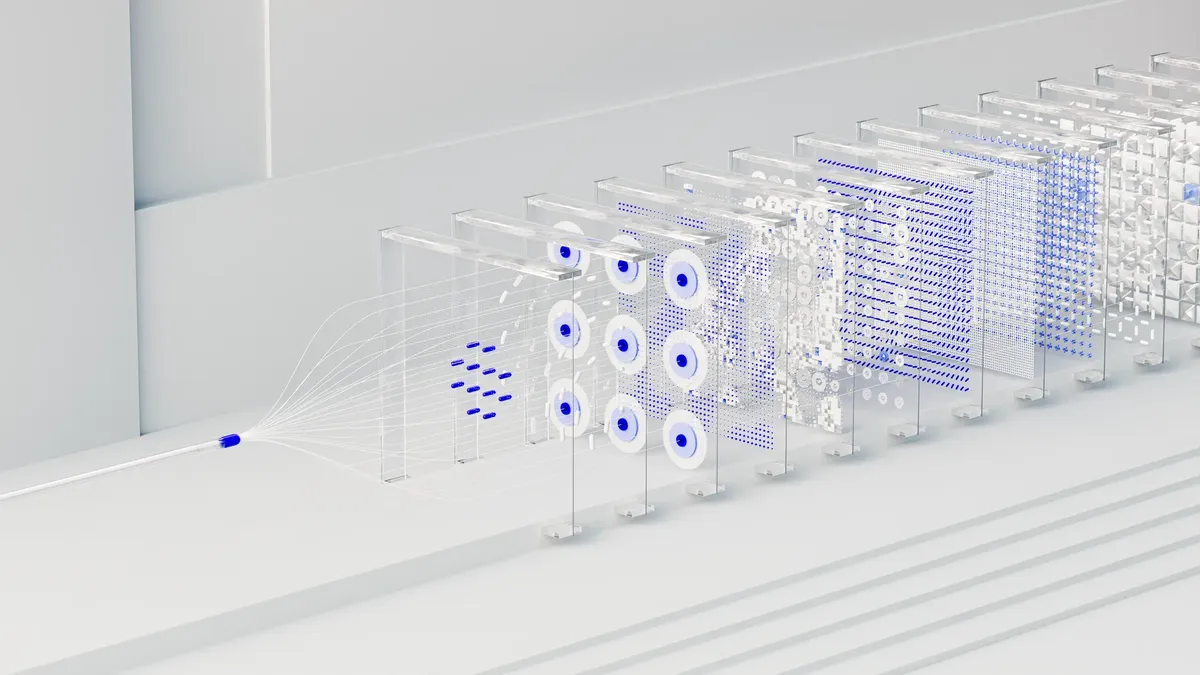
- Define the core computational engine to handle tensor operations and automatic differentiation. 2. Optimize the framework for massive parallelization across multi-GPU environments. 3. Release the software as an open-source project to encourage community testing and contribution.
I remember looking at the benchmark results and realizing how much the software architecture influenced the hardware's output. The integration of these steps ensured the framework could meet the demands of cutting-edge research.
One limitation is that the development of the Chainer framework officially ceased in December 2019.
How did the tools serve different research needs?
A scientist adjusts the parameters of a neural network to refine the accuracy of a predictive model. Different research fields require different levels of flexibility and speed from their software tools.
The framework provided the flexibility needed for various tasks, from image recognition to complex biological modeling. This versatility made it an attractive option for both academic researchers and industrial partners.

By offering a robust set of tools, the developers enabled users to push the limits of what was possible with deep learning. The combination of speed and flexibility was a hallmark of the framework's technical contribution.
The subject here is Preferred Networks Chainer.
The same subject is also called PN deep learning framework.
The same subject is also called Chainer open source.
The same subject is also called Preferred Networks AI.
The same subject is also called Deep learning tools PN.
This part also covers Chainer technical contributions.
This part also covers PN framework development.
Chainer technical contributions
Related
- How is the Indian semiconductor industry scaling up?
- Logic and memory guide ASML history and market lead tips
What were the specific constraints of the development cycle?
Constraints involved balancing the pursuit of speed with the need for stable software architecture. The development cycle required managing the transition from theoretical research to practical industrial application.
- Address the specific needs of automotive and medical sectors.
- Maintain the open-source foundation for community adoption.
- Ensure the software could handle the scaling requirements of 1024 GPUs.
If the software architecture had not been optimized for massive parallelization, the record-breaking speeds would not have been possible. The relationship between the software and the hardware was critical for these results.
Comparing the framework to previous records shows that the efficiency was a primary goal. The four-fold speed increase over the Facebook record demonstrated the effectiveness of the optimization process.
One must caution that the development of the framework ceased in December 2019. This limitation means that the specific technical features are tied to that historical development period.