LB Semicon Qualcomm approval: Tips for high-yield production
"The global semiconductor market has seen unprecedented shifts as demand for specialized hardware drives record-breaking revenue across the industry."
The semiconductor industry is experiencing a massive surge in value, reaching a record $791.7 billion in 2025. This growth, which represents a 25.6% increase, is largely fueled by the rising demand for artificial intelligence hardware, according to the Semiconductor Industry Association.
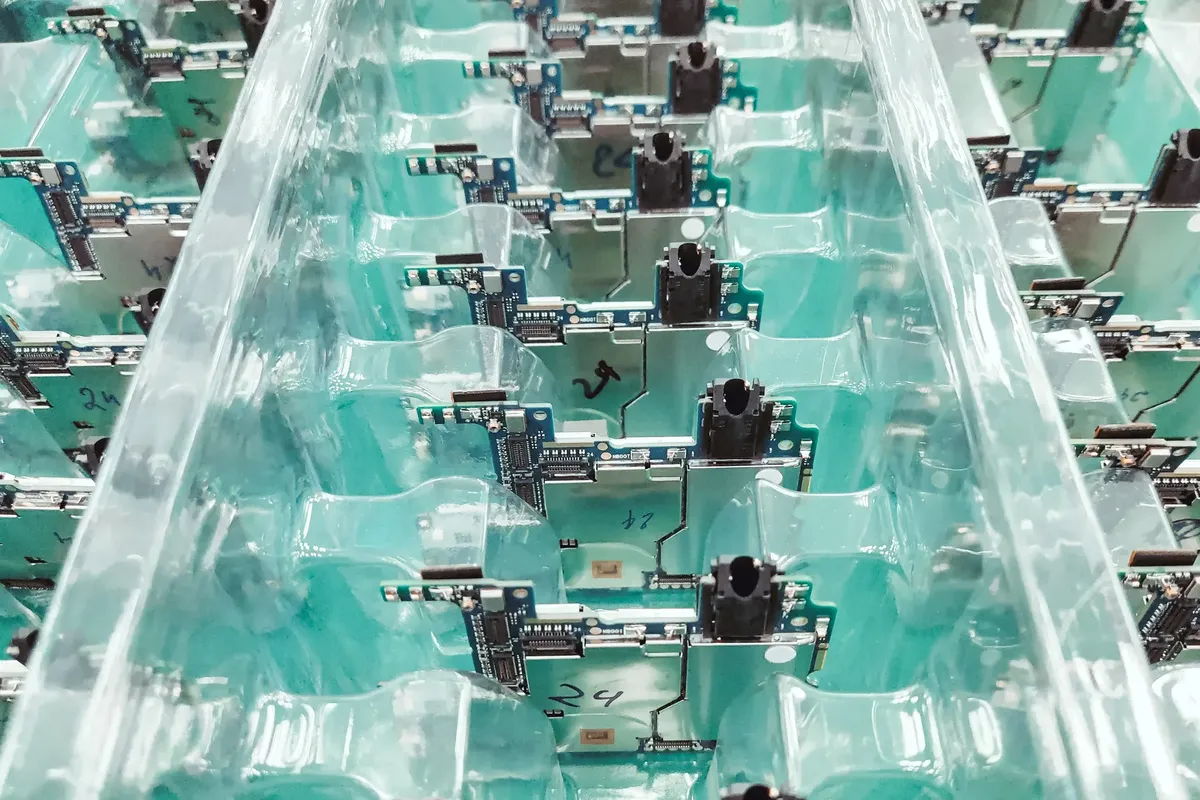
Key takeaways: * Global semiconductor sales reached a record $791.7 billion in 2025. * AI hardware demand is a primary driver of the 25.6% industry growth. * Market expansion is closely tied to advanced manufacturing and specialized hardware needs.
How did semiconductor sales reach record levels?
A technician adjusts the settings on a high-precision wafer slicing machine in a cleanroom. The massive scale of the industry is reflected in the recent financial data that shows a significant upward trajectory in global trade.
According to the Semiconductor Industry Association, sales of semiconductors reached a record $791.7 billion in 2025. This surge represents a 25.6% increase compared to previous periods. This growth was driven largely by demand for artificial intelligence hardware.
What drives the demand for specialized chip technology? LB Semicon Qualcomm approval
An engineer examines a glowing silicon wafer under a microscope to ensure structural integrity. The constant need for more powerful processing power keeps the manufacturing sector in a state of rapid evolution.
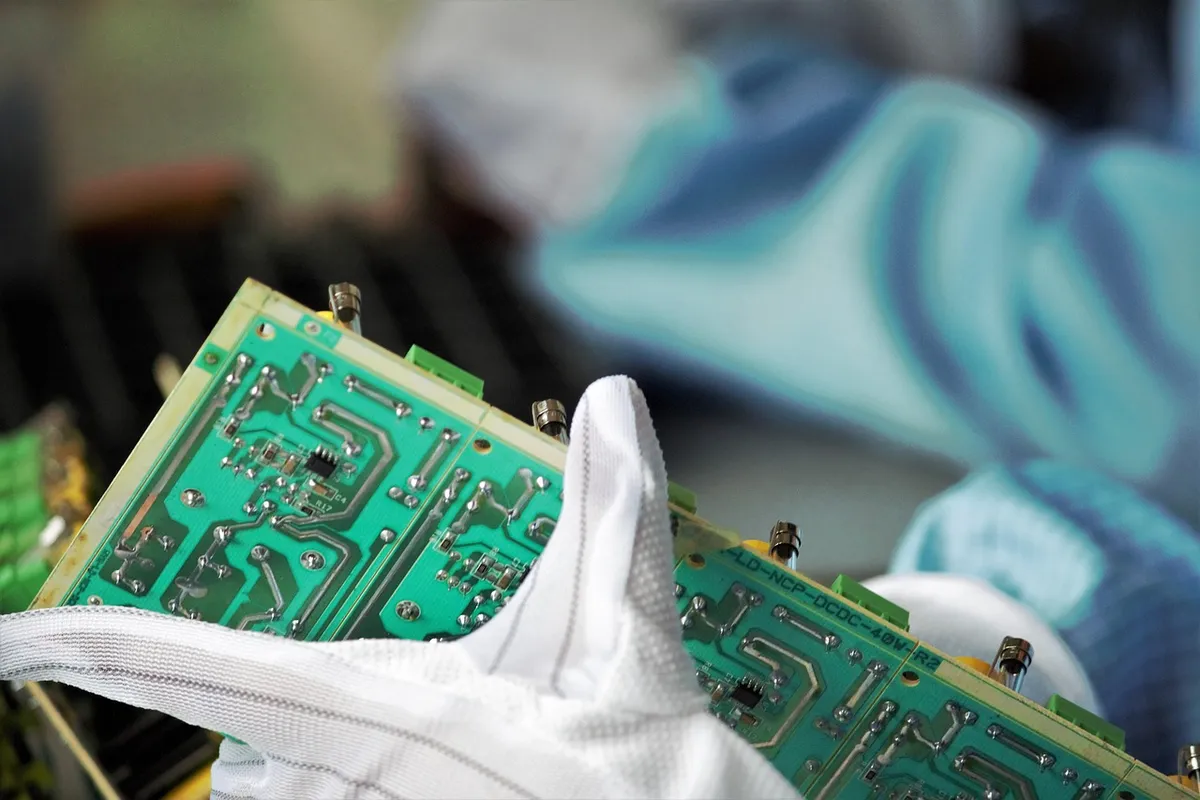
The rapid expansion of the market is often linked to specific technological shifts, such as the rise of AI. This demand requires advanced semiconductor packaging skill to manage complex chip architectures.
As hardware requirements grow, the importance of advanced chip tech becomes even more critical for maintaining performance standards.
How are mass production processes managed?
A technician carefully handles a large crystal ingot, preparing it for the slicing process. Managing the physical properties of silicon is essential for creating the reliable chips that power modern devices.
Current mass production processes use crystal ingots between 100 and 300 mm (3.9 and 11.8 in) in diameter. These ingots are grown as cylinders and then sliced into wafers to create the base for microchips. This precise method ensures a consistent surface for circuit etching.
What is the role of specialized manufacturing in the market?
A machine operator monitors a temperature-controlled chamber where wafers undergo chemical changes. The ability to scale these processes determines which companies can meet global demand.
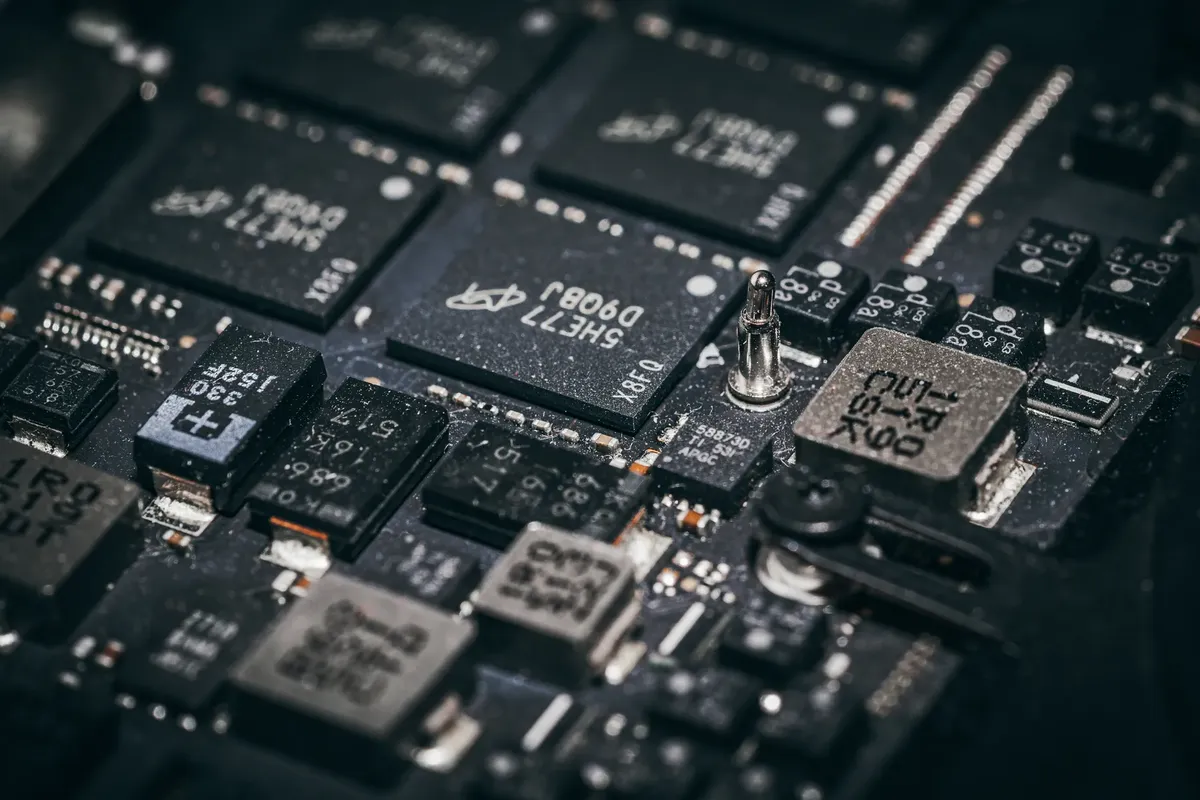
The industry relies on high-volume output to satisfy global needs, making Qualcomm mass production capabilities a benchmark for success. Companies must master these complex workflows to maintain a competitive edge.
Effective chip manufacturing success depends on the ability to transition from laboratory prototypes to stable, high-yield production lines.
How does the industry handle global market shifts?
A legal consultant reviews acquisition documents in a quiet corporate office. Large-scale mergers and acquisitions often reshape the landscape of the global semiconductor supply chain.
Market shifts often involve significant corporate restructuring and regulatory oversight. For instance, the acquisition of certain entities requires approval from various international authorities to ensure fair competition.
Understanding the Impact of LB Semicon on market dynamics requires looking at how specialized players fit into this much larger global ecosystem.
What are the challenges of advanced semiconductor manufacturing?
A scientist adjusts the temperature in a specialized furnace to prevent wafer cracking. Maintaining precision at a microscopic level remains one of the most difficult aspects of the production cycle.
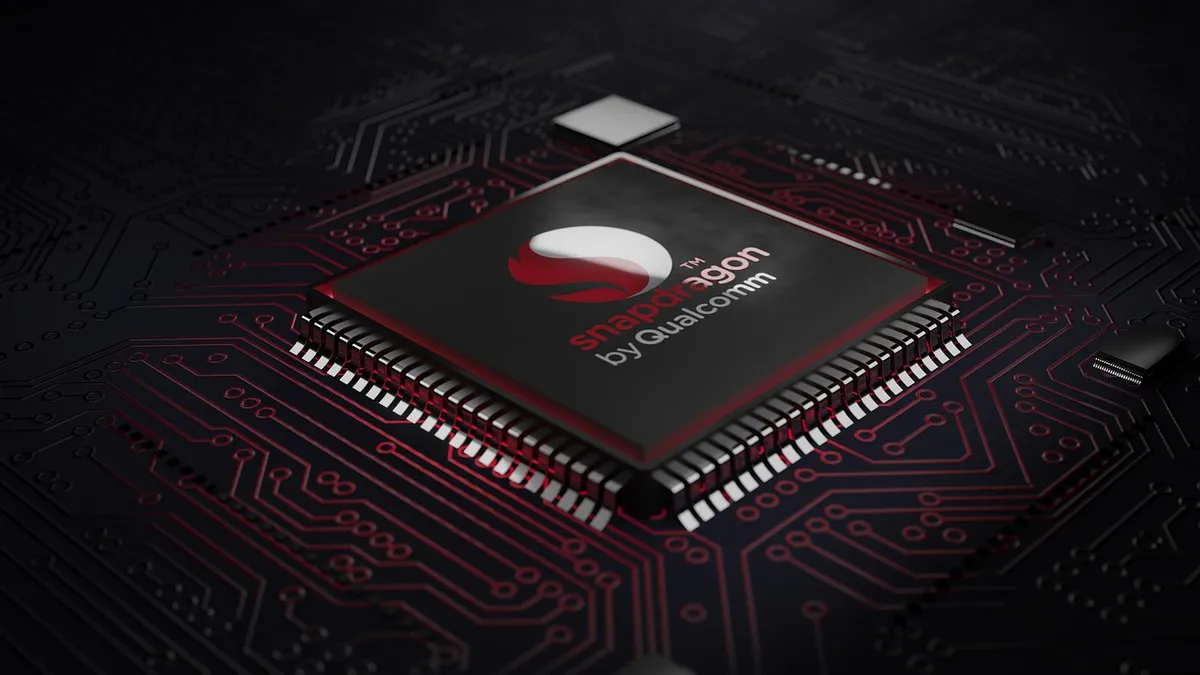
The complexities of semiconductor packaging skill involve managing heat, electrical conductivity, and physical stability. As chips become smaller and more powerful, the margin for error decreases. This technical challenge defines the current era of hardware development.
The subject here is LB Semicon Qualcomm approval.
The same subject is also called LB Semicon process tech.
This part also covers LB Semicon's role in industry.
Related
- How does AI-driven demand shape the semiconductor market?
- How much will AI workloads affect data centers?
How does the demand for AI hardware influence global semiconductor trends? 1. The rising demand for artificial intelligence hardware dictates the current upward trend in the global semiconductor market. 2. This specific hardware need necessitates advanced semiconductor packaging skill to support intricate chip designs. 3. Consequently, the market expansion is directly correlated with the capabilities in advanced manufacturing.
The necessity for greater processing power pushes the entire global semiconductor sector toward more sophisticated technological solutions.
This continuous evolution in hardware requirements underscores the critical role of specialized chip technology in sustaining performance levels across various applications. Maintaining this pace of innovation is essential for the industry's continued growth trajectory.
What are the prerequisites for high-yield semiconductor production? 1. Producing reliable chips requires mastering the physical properties of silicon during the ingot preparation stage. 2. The transition from laboratory prototypes to stable, high-yield production lines is a key determinant of manufacturing success. 3. Companies must successfully manage complex workflows to achieve the high-volume output required by global needs.
Effective chip manufacturing demands rigorous control over the entire process, from crystal growth to final etching. The ability to scale these precise methods allows the global semiconductor industry to meet the escalating requirements of modern electronics.
This control over physical and chemical processes is what separates successful producers from others in the market.