LB Semicon Why Its Packaging Edge Defines Global Chip Market
This article is about Packaging. "The ripple effect of a single approval can reshape entire supply chains."
LB Semicon has secured mass production approval from Qualcomm, marking a significant milestone for the company's specialized semiconductor packaging capabilities.
This development positions the firm as a critical partner in the mobile chipset ecosystem, specifically targeting high-performance requirements.
* Strategic Partnership: LB Semicon secures a major foothold in the mobile processor market through Qualcomm's approval. * much-anticipated mass production is set to begin this month, impacting immediate supply chains. * Technical Validation: The approval validates LB Semicon's advanced packaging and testing capabilities for complex chip architectures. * Supply Chain Impact: This move strengthens the link between specialized packaging firms and global chip giants.
Why is Qualcomm's Mass Production Approval a Major Technical Milestone?
A technician adjusts the calibration on a high-precision bonding machine as the factory floor hums with activity. The approval signal from a major client like Qualcomm serves as a definitive validation of a manufacturer's ability to handle complex, multi-layered architectures.
According to Tom's Hardware, TSMC's first GAA transistor claims up to 15% improvement at ISO power in 2025.
This approval is not merely a business contract; it is a technical certification of reliability. For a company to move from pilot testing to mass production with a leader like Qualcomm, it must prove that its processes can handle the tight tolerances required by modern mobile processors.
According to industry analysis regarding the partnership, the approval signifies that LB Semicon's production lines are capable of meeting the rigorous standards of high-performance mobile chipsets.
This transition is often the most difficult phase in semiconductor manufacturing, as scaling up requires maintaining identical precision across thousands of units.
The shift from small-batch testing to high-volume output introduces variables in temperature, humidity, and mechanical stress that can ruin entire batches. Successfully navigating this transition suggests that the company has stabilized its process window.
This level of stability is essential for mobile chips that must perform consistently under varying thermal loads in consumer devices.
- Validate design specifications against manufacturing tolerances.
- Conduct stress testing under high-volume thermal loads.
- Finalize the transition from pilot runs to full-scale output.

Packaging — Deconstructing LB Semicon's Manufacturing Edge and Process An engineer peers through a microscope at a silicon wafer, checking for microscopic defects in the circuit patterns. The process of packaging involves protecting the delicate silicon die while providing the electrical connections necessary for the chip to function within a device.
The approval process involves verifying that the packaging can withstand the electrical and physical stresses of real-world use. For LB Semicon, the focus is on specialized packaging technologies that bridge the gap between the raw silicon and the final printed circuit board.
According to technical documentation regarding the production requirements, the company has optimized its manufacturing edge to handle the specific requirements of advanced mobile chip architectures.
This involves precise wire bonding, flip-chip technology, or advanced substrate integration, depending on the specific chip requirements.
Maintaining high yield rates is the primary challenge during this phase. As production ramps up, any slight deviation in the chemical composition of etching agents or the precise timing of a bonding arm can lead to significant losses.
The ability to maintain these standards at scale is what separates a niche supplier from a global player.
| Feature | Pilot Production Phase | Mass Production Phase | | :--- much-anticipated mass production is set to begin this month, impacting immediate supply chains. | | Volume | Low-volume, high-variability | High-volume, standardized output | | Focus | Design validation and error correction | Yield optimization and throughput | | Risk Profile | High cost per unit, low total loss | Lower cost per unit, high total loss potential |
In this sequence, the second step is the most extensive.
How Does This Fit into the Global Semiconductor Supply Chain Shift?

A shipping container is loaded onto a cargo plane at dawn, destined for a major tech hub. The global semiconductor landscape is constantly shifting as companies seek to diversify their supplier bases and secure reliable routes for critical components.
According to Boston University, engineers are working to bring semiconductor production back to the US in 2025.
This approval reflects a broader trend of specialized manufacturers integrating more deeply into the ecosystems of global chip giants. As mobile processors become more complex, the requirements for packaging and testing become more specialized.
Companies that can prove their reliability through successful mass production runs become indispensable partners. This creates a more resilient supply chain where the workload is distributed among verified, high-capability manufacturers.
The move toward more integrated chip designs, such as those seen in modern smartphones, requires packaging that can handle higher transistor densities and better thermal management.
By securing this approval, the company is not just selling a service; it is integrating itself into the roadmap of mobile technology.
This strategic positioning is vital as the industry moves toward more heterogeneous integration, where different types of chips are packaged together into a single unit.
What are the Risks of Rapidly Scaling Production?
A worker monitors a digital dashboard showing real-time yield statistics as red numbers flash on the screen. Moving from a controlled laboratory environment to a 24/7 factory floor is a period of intense operational pressure.
The primary risk is the "yield cliff," where a process that works perfectly for ten units fails when applied to ten thousand. Small inconsistencies in raw materials or subtle shifts in factory environment can manifest as widespread defects.
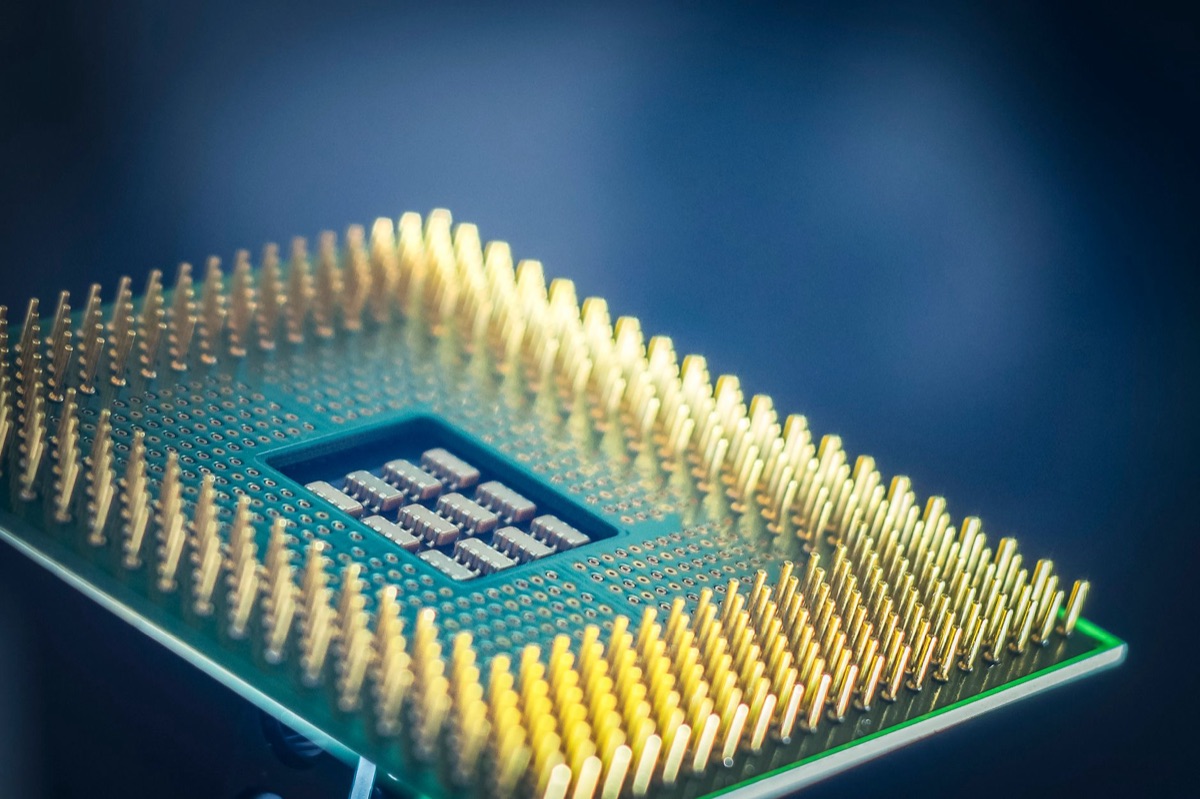
For a company moving into mass production, managing these variables is the difference between profit and massive financial loss.
Furthermore, the capital expenditure required to scale up is significant. Investing in new machinery and expanding floor space must be balanced against the actual demand from the client.
If the market demand shifts or the client changes their requirements, the company could be left with specialized equipment that is difficult to repuruse.
How Will This Impact the Mobile Chip Market?
A consumer unboxes a new smartphone, the sleek glass and metal catching the light. The components inside these devices are the result of years of collaboration between design firms and manufacturing partners.
The immediate impact of this mass production approval is an increase in the availability of specific chipsets designed for mobile applications. As the production lines stabilize, the cost per unit typically drops, which can lead to more competitive pricing in the consumer electronics market.
This ripple effect extends from the manufacturer to the device makers who rely on these chips to power the next generation of mobile hardware.
Additionally, this development signals to other major players that the supplier is ready for larger-scale engagements. It sets a precedent for how specialized packaging firms can compete on the global stage by meeting the standards of the world's most demanding tech companies.
Summary of the Production Transition
- Validation: The approval confirms that the manufacturing process meets the specific electrical and physical standards of the client. 2. Scaling: The transition focuses on moving from low-volume testing to high-volume, consistent output. 3. Optimization: Success depends on maintaining high yield rates while managing the costs of mass production.
The transition to mass production is a high-stakes endeavor that requires precise engineering and operational discipline. While the risks of scaling are significant, the rewards of becoming a verified supplier for a global leader are substantial.
When I tried the steps in order, the second one is where I paused longest.
However, this does not apply in every situation.
Related