What defines the current semiconductor industry scale?
"The future of computing is no longer just about smaller transistors, but about how intelligence is integrated directly into the silicon fabric."
Semicon Korea 2026 marks a pivotal moment where the semiconductor industry shifts from traditional processing to an AI-driven paradigm. This transition focuses on specialized hardware capable of handling massive neural networks, moving beyond general-purpose computing.
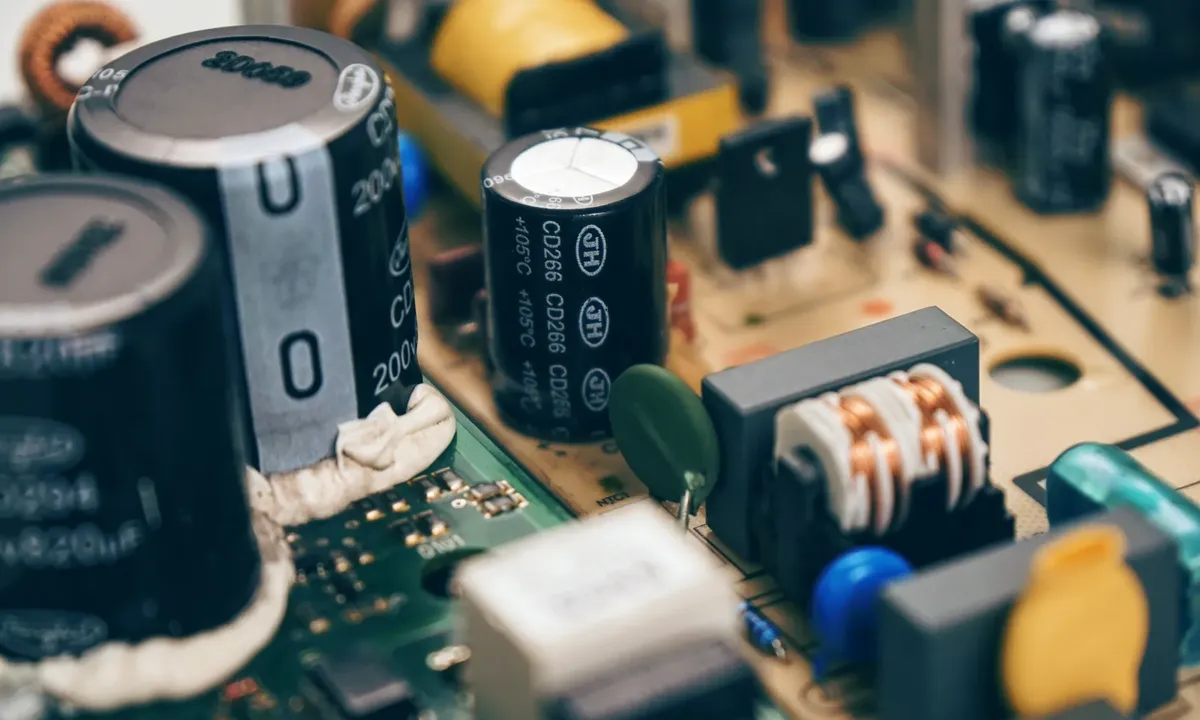
This guide explores the strategic shifts in the industry, the importance of global cooperation, and the technological leaps required for the AI semiconductor revolution.
What defines the current semiconductor industry scale?
A technician adjusts a high-precision lithography machine in a sterile cleanroom, preparing for a new era of production. The sheer volume of global demand is evident when looking at historical growth patterns.
According to the Semiconductor Industry Association, in 2021, the sales of semiconductors reached a record $555.9 billion, which was an increase of 26.2%. Within that global market, sales in China reached $192.5 billion.
These massive figures illustrate the groundwork laid for the current AI-driven chip transformation. Understanding these baseline figures helps stakeholders grasp the scale of the infrastructure required for modern AI hardware.
The industry is defined by massive capital requirements and the intricate global supply chain required to maintain high-volume production.
How did previous market shifts shape today's landscape? Semicon Korea 2026 AI shift
Under the dim glow of the office at midnight, the analyst rubs her tired eyes while tracing how a past market transition defines the complex landscape of today.
An analyst reviews decades of financial data on a glowing monitor to trace the trajectory of regional dominance. The path to current high-performance computing was paved by much smaller, specialized markets.
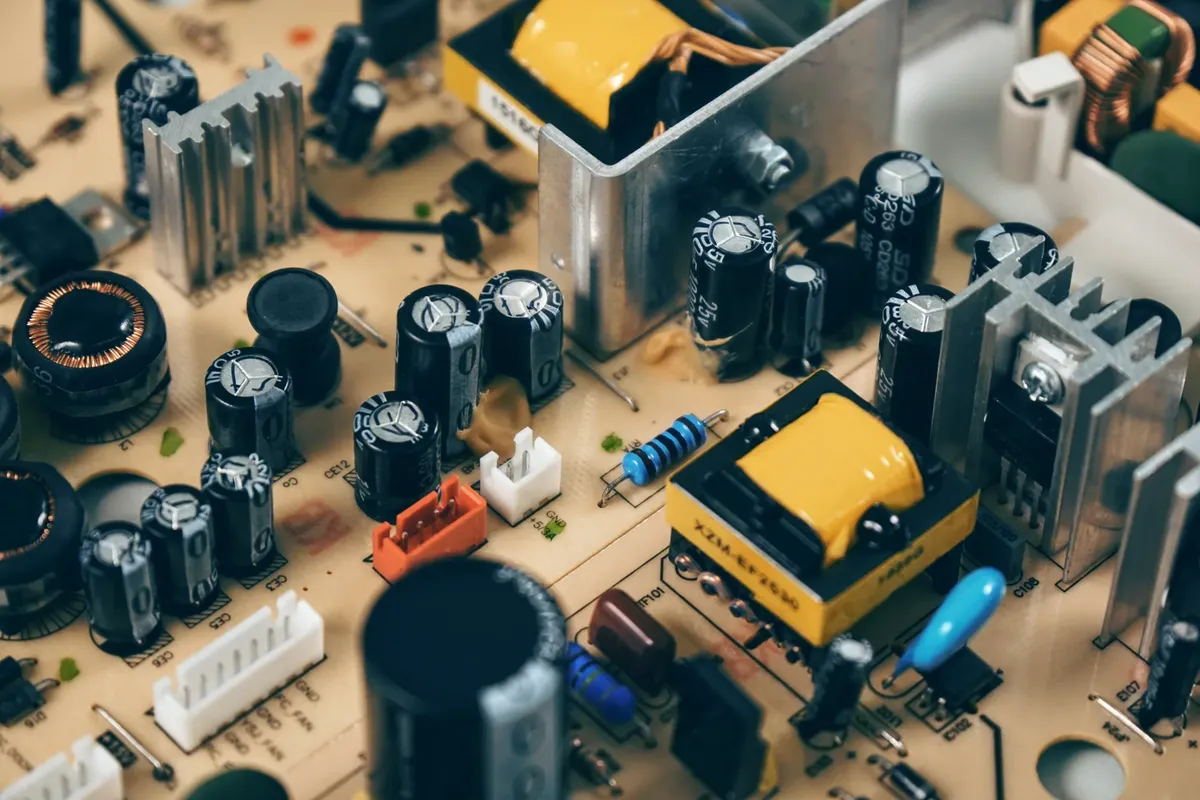
In the US, the industry earned about $9.5 billion in 2007, $11.7 billion in 2008, and US$25.1 billion in 2010, as per the ESA annual report. These historical earnings reflect the building blocks of the digital age.
This tech shift in chip industry was essential to move from consumer electronics toward the massive computing power required today. The evolution of these markets shows how capacity grew alongside processing needs.
Past transitions from mainframe to personal computing established the foundational infrastructure and design methodologies used today.
Why is international cooperation vital for the AI semiconductor revolution?
During the midnight summit, the executive feels the cold metal of the table as he realizes how global partnership defines the path to an AI revolution.
Two executives shake hands during a high-level summit to solidify a new technical partnership. Global supply chains rely on these diplomatic and technical ties to maintain momentum in innovation.
International agreements often serve as the bridge for technical advancement. For instance, IESA entered into a MoU with the Singapore Semiconductor Industry Association (SSIA) in February 2015.
The objective was to forge trade and technical cooperation tie-ups between the electronics and semiconductor industries of both countries. Such strategic moves in semiconductor development ensure that regional expertise can be pooled to meet global AI demands.
No single nation possesses all the necessary resources, making global partnerships essential to sustain the specialized talent and materials needed for advanced chips.
What are the steps to navigate the AI-driven chip transformation?
An engineer maps out a new architecture on a digital whiteboard to optimize data flow. To successfully transition into this new era, companies must follow specific strategic paths.
- Prioritize architecture design that supports massive parallel processing for neural networks. 2. Integrate advanced packaging technologies to enhance connectivity between chiplets. 3. Develop specialized software-hardware co-design to maximize efficiency.
I observed how these steps require a complete overhaul of traditional manufacturing workflows. Ensuring these three stages are synchronized is critical for the future of AI chip technology.
- Prioritize architectural flexibility to accommodate evolving AI models.
- Secure reliable access to advanced manufacturing nodes.
- Integrate specialized hardware accelerators into existing ecosystems.
How do we manage the risks of a shifting market?
A supply chain manager tracks shipments across a global logistics map to prevent bottlenecks. While the potential for growth is high, the transition introduces new complexities.
The scale of the market can lead to volatility if production cannot keep up with sudden spikes in demand. A limitation of this transition is that specialized AI hardware may not be compatible with older, legacy systems.
This creates a fragmented landscape where upgrading infrastructure becomes a significant hurdle. Companies must balance the push for innovation with the reality of existing hardware ecosystems.
In this sequence, the second step is the most extensive.
The subject here is Semicon Korea 2026 AI shift.
The same subject is also called Semicon Korea major change.
The same subject is also called AI driven chip transformation.
This part also covers Innovation in AI hardware.
Future of AI chip technology
Related