US Korea semiconductor students best tips for industry guide
"The future of technological sovereignty lies not in isolated manufacturing hubs, but in the collaborative networks built by the next generation of engineers."
US Korea semiconductor students represent the vital human capital required to navigate a rapidly shifting global landscape.
These students serve as the bridge between academic research and industrial application, ensuring that technical expertise remains resilient during periods of geopolitical change.
Key takeaways emphasize the importance of cross-border academic cooperation, the role of specialized talent in de-risking supply chains, and the necessity of ethical standards in global logistics.
How do US Korea semiconductor students shape the future?
A student sits in a quiet laboratory, peering through a microscope at a silicon wafer. This individual represents the bridge between theoretical physics and the practical reality of chip production.
The specialized knowledge held by US Korea semiconductor students ensures that technical innovation remains steady. By fostering deep academic ties, these students build a foundation for long-term stability.
This human element is essential for maintaining a competitive edge in a field where precision is everything.
The global chip student network provides a sense of continuity across borders. Students engaged in these programs often focus on high-level research that directly impacts industry standards.
This collaborative environment allows for a faster transfer of knowledge between different manufacturing ecosystems.
What role does talent play in chip supply chain cooperation?
An engineer reviews a complex blueprint, noting how a single component affects the entire assembly. The focus is on how individual expertise maintains the integrity of a global system.
The success of chip supply chain cooperation relies heavily on the specialized training provided to emerging professionals. As industry requirements shift, these students must adapt to new manufacturing processes and materials. This adaptability ensures that the pipeline of talent remains robust.
A global chip student network helps mitigate risks by diversifying the intellectual resources available to the industry. When students from different regions collaborate, they create a wider net of problem-solving capabilities.

This diversity is a key factor in building a resilient technological foundation.
According to World Bank, the 2024 record includes 97.9%.
How can academic exchange support the future of semiconductor tech?
A group of students gathers around a workstation, discussing a recent breakthrough in lithography. The atmosphere is one of shared purpose and intensive study.
Engaging in academic exchange allows students to understand the nuances of different manufacturing environments. This understanding is vital for creating a seamless flow of information and technology. By working together, they prepare for a more integrated industry.
The future of semiconductor tech will be defined by those who can bridge the gap between localized production and global demand. Students participating in these exchanges are uniquely positioned to lead this transition. They bring a global perspective to localized technical challenges.
How do ethics and quality impact the industry?
A professional examines a shipment of components, ensuring every part meets strict quality standards. The focus is on the integrity of the entire delivery process.
The specialized training of US Korea semiconductor students often includes a focus on the ethical implications of supply chain management.
According to a 2018 survey by the Loyola University Chicago's Supply and Value Chain Center, 53% of supply chain professionals considered ethics to be "extremely" important to their organizations. This sense of responsibility is being integrated into modern technical education.
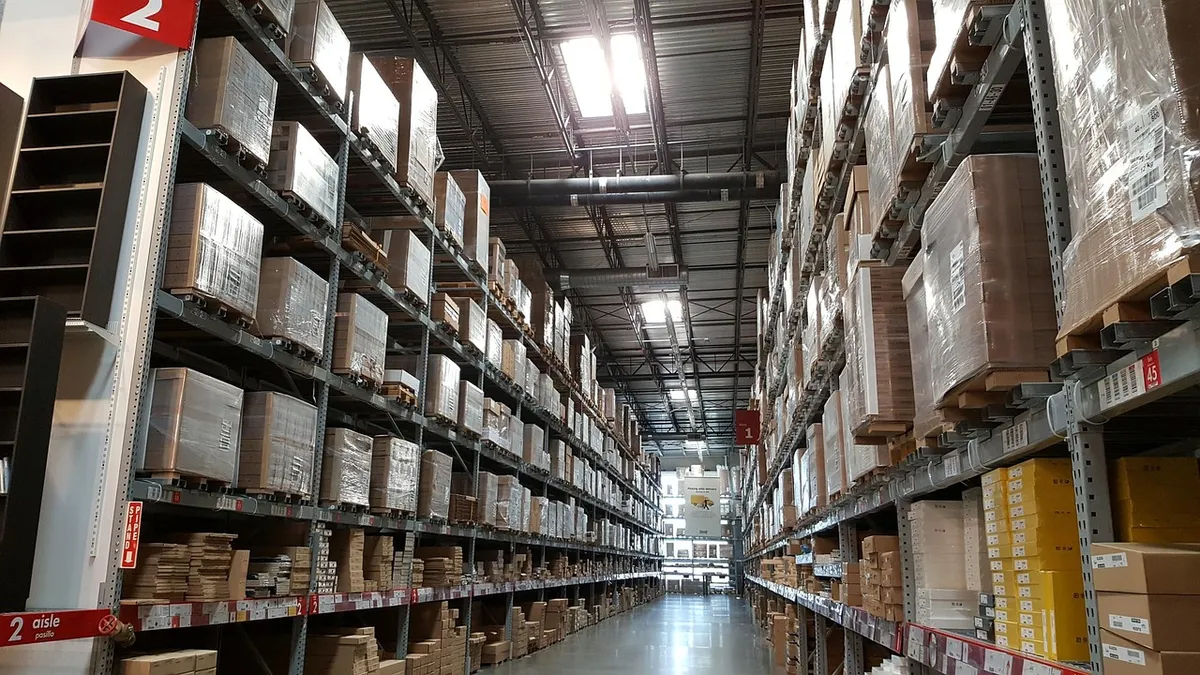
Quality and ethics are not just abstract concepts but are practical requirements for success.
A Cranfield University boardroom survey in 2010 found evidence that many organizations recognized the importance of the supply chain contribution to their business success, with a focus on cost, customer lead-time and customer quality being the primary performance indicators.
Students are learning to balance these metrics with technological advancement.
What are the practical steps for building these ties?
A professor hands a research paper to a student, marking a specific section for further investigation. The interaction is a deliberate step toward professional development.
Building these connections requires a structured approach to academic and professional integration. Students can follow these steps to maximize their impact:
- Participate in joint research projects that combine the strengths of different regional laboratories. 2. Engage in international internships to gain exposure to diverse manufacturing standards. q. Attend global symposiums to build a professional network before entering the workforce.
I have observed how these collaborative efforts require constant communication to remain effective. A final check of all research protocols ensures that the data remains consistent across all participating institutions.
What are the limitations of this cooperation?
A student looks at a data sheet, noting a discrepancy that requires further clarification. The reality of technical work involves navigating specific constraints.

While cooperation is vital, it is limited by the specific regional regulations and available infrastructure. For instance, a high degree of connectivity is required to sustain these digital and academic links.
According to World Bank data, South Korea recorded share of internet users of 97.9% in 2024. Such high connectivity is a prerequisite for modern digital collaboration.
- How do US Korea semiconductor students shape the future?
- What role does talent play in chip supply chain cooperation?
- How can academic exchange support the future of semiconductor tech?
The same subject is also called US Korea chip students.
The same subject is also called Semiconductor student ties.
The same subject is also called US Korea tech students.
Related