PN AI manufacturing impact: How specialized frameworks guide
"The success of modern industry relies heavily on how well distinct entities can bridge the gap between theoretical intelligence and physical production."
The impact of AI-driven technology on manufacturing and transport is defined by deep integration between software frameworks and hardware-focused organizations. This shift involves moving from general-purpose tools to specialized, industry-specific intelligence that enables automation and autonomy.
Key takeaways include the role of open-source frameworks in fostering industry-wide collaboration, the trend toward in-house chip design among automotive leaders, and the strategic shift in global manufacturing output.
How does AI-driven technology shape the manufacturing landscape?
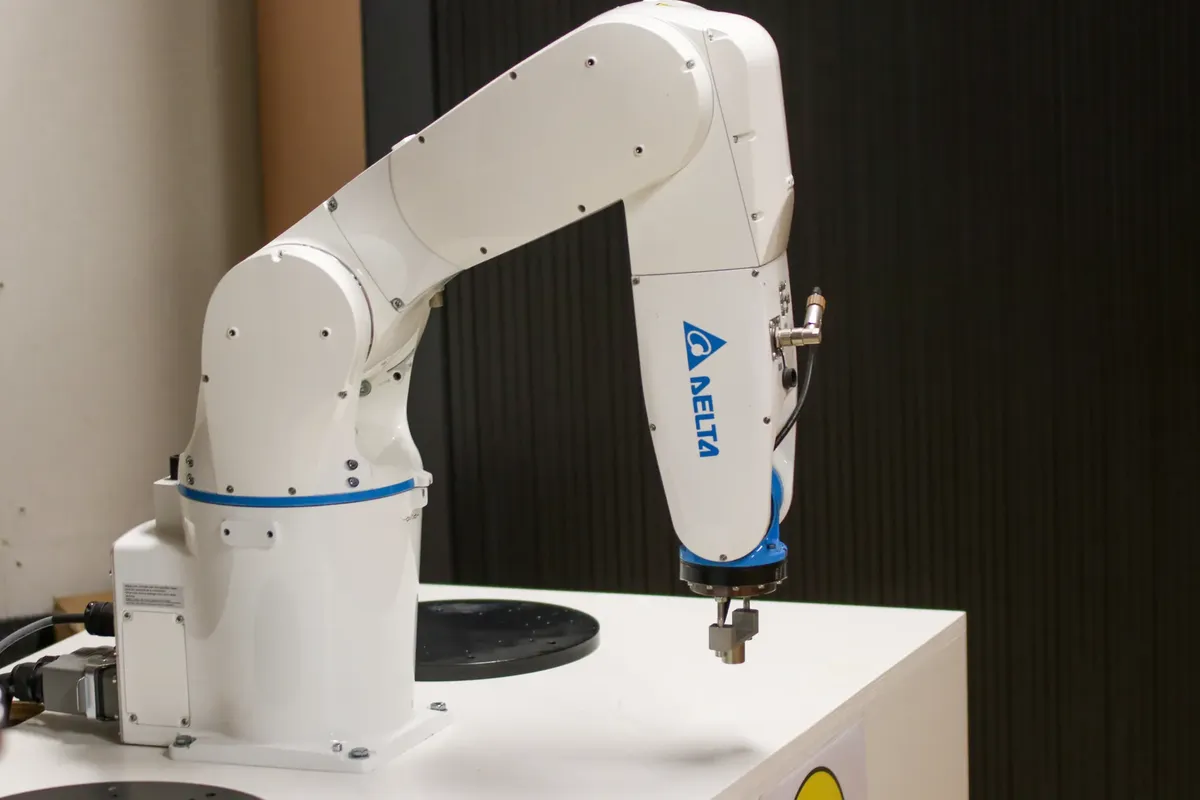
A technician adjusts a robotic arm in a sterile facility, ensuring the motion matches the programmed logic perfectly. The integration of advanced software into production lines changes how goods are made.
According to the Ministry of Finance, the 2024 Union budget of India includes a proposed 71% increase in funding to ₹13,104.50 crore for the manufacturing of chips and electronics.
The shift toward intelligent automation is driven by specialized frameworks that allow companies to bridge research and application.
For instance, through the development of the open-source deep learning framework Chainer, companies have promoted advanced initiatives in collaboration with organizations such as Toyota Motor Corporation, FANUC, and National Cancer Center Japan.
This type of PN AI manufacturing impact ensures that software intelligence directly translates to mechanical precision.
Global production scales are also shifting.
According to the United Nations Industrial Development Organization (UNIDO), China is the manufacturer with the highest output worldwide in 2023, producing 28.7% of the total global manufacturing output, followed by the United States of America, Germany, Japan, and India.
These massive output volumes necessitate highly efficient, AI-capable systems to manage complex supply chains.
AI-driven technology transforms traditional production lines into intelligent ecosystems by optimizing resource allocation and predictive maintenance.
What role does chip design play in industry-wide AI collaboration?
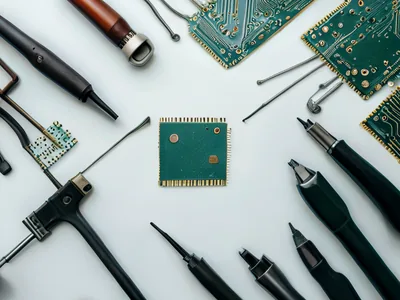
An engineer examines a silicon wafer under a microscope, looking for the microscopic traces of a custom-designed circuit. The move toward specialized hardware is a cornerstone of modern industrial strategy.
The demand for specialized intelligence is pushing traditional manufacturers to become semiconductor designers.
This shift represents a significant PN industry partnership where software and hardware are co-developed.
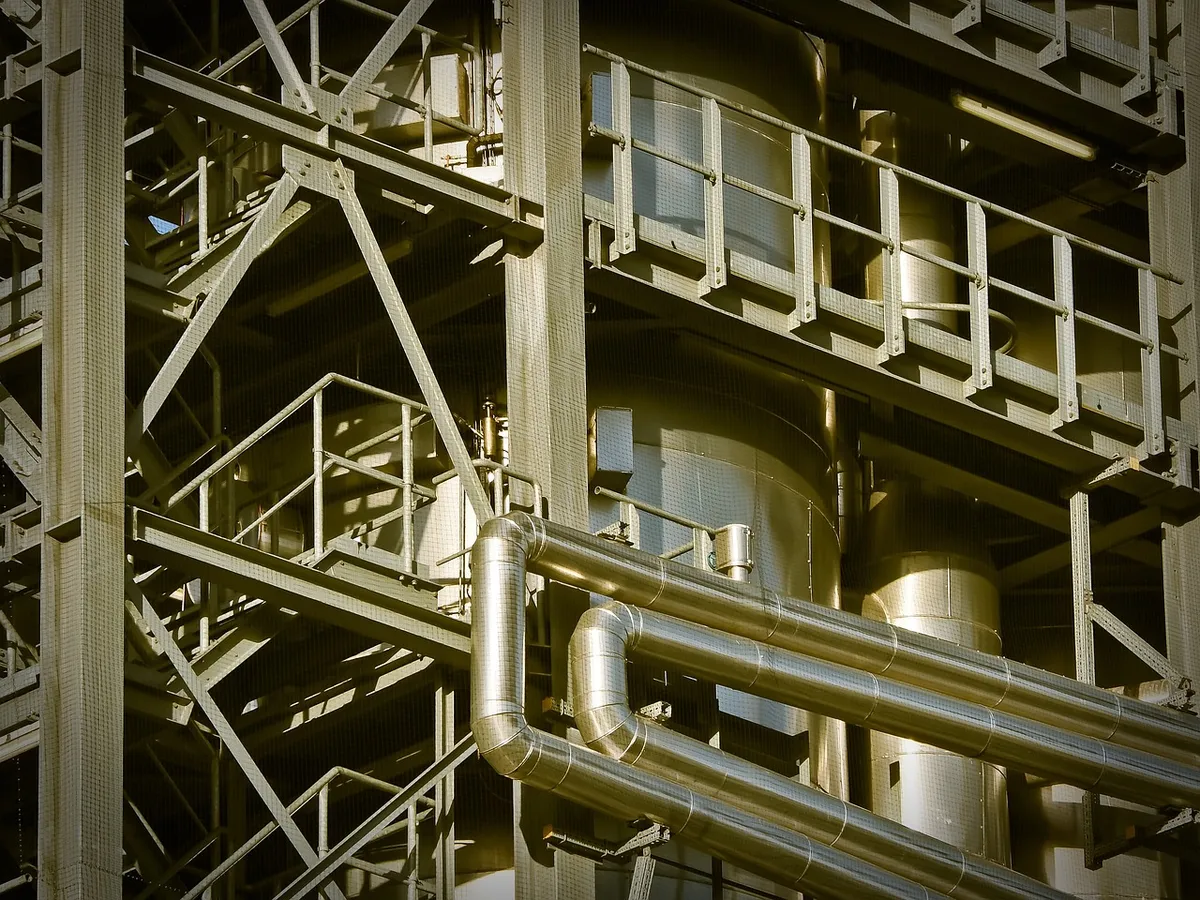
This trend toward self-reliance in hardware ensures that AI-driven logistics change can be implemented at the chip level. By controlling the silicon, companies can optimize for specific tasks like autonomy or energy efficiency.
This level of control is essential for the next generation of smart factory AI drive.
Custom chip architectures provide the necessary computational power to handle complex datasets across distributed manufacturing networks.
According to United Nations Industrial Development Organization, the 2023 record includes 28.7%.
How do specialized frameworks facilitate industry-wide innovation?
A programmer types lines of code into a terminal, preparing a model for deployment in a real-world factory setting. The bridge between abstract math and physical motion is built through shared tools.
Advanced initiatives often stem from the tools used to build them. The legacy of frameworks like Chainer allowed for a collaborative environment where multiple sectors could test and refine deep learning models.
This type of development fosters a Future of preferred Networks case study where cross-industry knowledge is shared.
Such collaboration allows for a more rapid iteration of technology. When automotive, industrial, and medical organizations use similar foundational logic, they can solve complex problems more efficiently.
This synergy is a key component of how AI-driven logistics change occurs across different sectors.
Standardized frameworks allow different manufacturers to share data protocols, ensuring seamless interoperability between diverse hardware systems.
How do regional economic shifts influence technological adoption?
A cargo ship moves through a busy port, carrying containers filled with high-tech components. Shifts in where things are made change how technology is distributed.
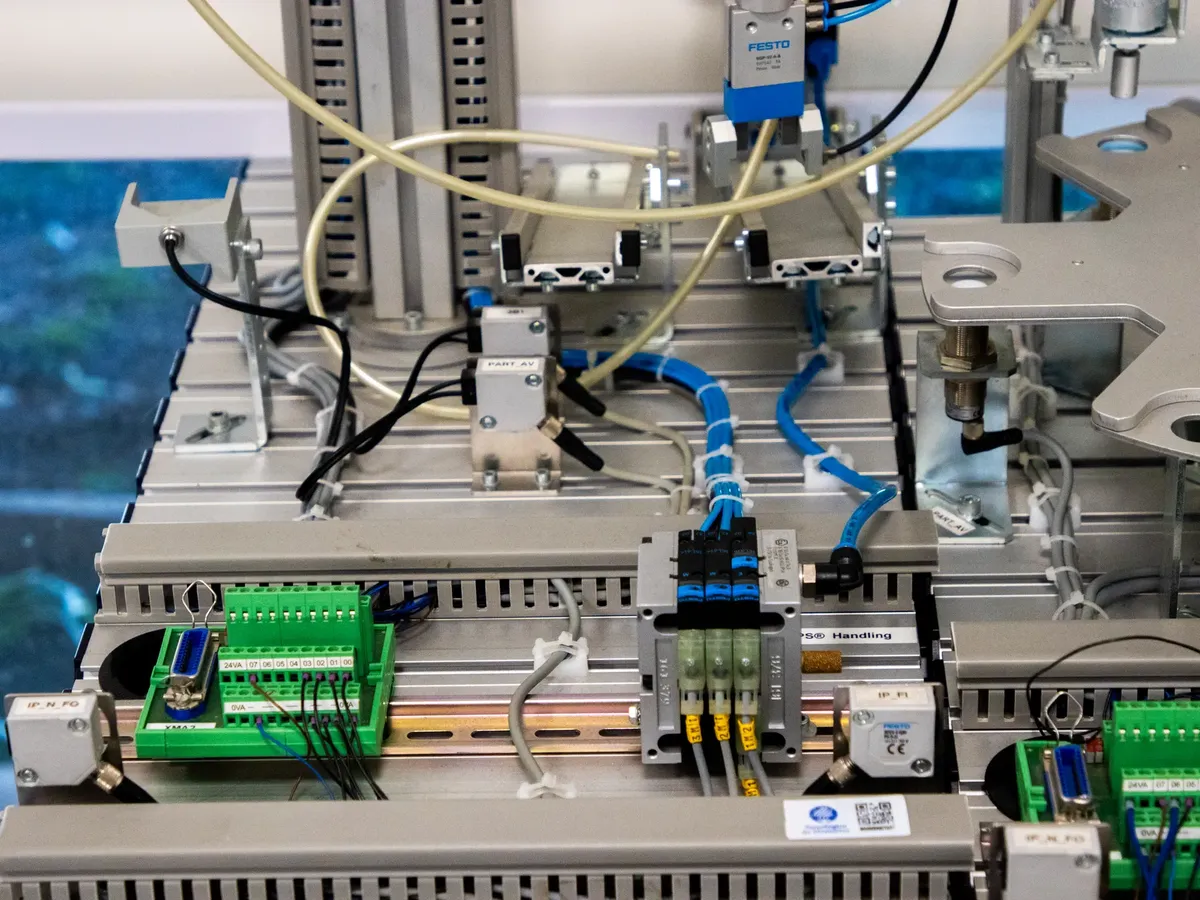
Governmental support plays a vital role in localized manufacturing growth. For example, the Ministry of Finance has proposed a 71% increase in funding to ₹13,104.50 crore for the manufacturing of chips and electronics in the 2024 Union budget of India.
This localized investment accelerates the adoption of AI-capable hardware.
As manufacturing hubs grow, they become centers for AI-driven logistics change. The concentration of production in specific regions allows for a localized ecosystem of specialized talent and hardware.
This creates a feedback loop where technological innovation and manufacturing output grow in tandem.
Shifts in labor availability and local capital investment often dictate the speed at which manufacturing hubs transition to automated systems.
What are the practical steps for integrating AI into manufacturing?
A factory manager reviews a dashboard on a tablet, monitoring the real-time performance of a production line. Transitioning to an AI-capable environment requires a structured approach.
To move toward an AI-driven manufacturing environment, companies often follow these steps:
- Establish a foundation of data-driven software frameworks to bridge the gap between research and production. 2. Evaluate the need for specialized hardware, such as custom-designed chips, to meet specific autonomy or electrification requirements. 3. Foster collaborative partnerships with technology-focused organizations to refine industry-specific applications.
A final check involves ensuring that the software-hardware integration meets the specific operational needs of the facility. This ensures that the AI-driven logistics change remains sustainable and scalable.
- Audit existing hardware to identify compatibility with modern software.
- Implement pilot programs on isolated production lines to test stability.
- Scale the successful models across the entire facility.
- In this sequence, the second step is the most intensive.
What are the limitations of AI-driven industrial collaboration?
A team sits in a boardroom, discussing the challenges of merging two different corporate cultures. Even with advanced technology, human and organizational factors remain a barrier.
Not all organizations are built for seamless integration. While technology can bridge many gaps, success still depends on the organizational structure. For example, it is noted that not all companies have what is called "collaborative DNA."
A limitation to this technological shift is that success is not guaranteed solely by the presence of advanced tools. The ability to integrate these tools effectively depends heavily on the existing organizational structure and the willingness of different entities to work together.
Data privacy concerns and the lack of universal communication standards remain significant hurdles to full-scale industrial integration.
Related