India mobile assembly growth: Tips for higher value addition
"The rapid expansion of local production is not just about numbers; it is about the structural shift in how a nation builds its technological future."
India is rapidly expanding its domestic mobile device assembly and manufacturing capabilities through strategic funding and local industry growth.
This analysis explores the shift in production shares, the historical trajectory of mobile technology, and the specific challenges in localizing high-tech components.
Key takeaways: Localized value addition in mobile assembly was historically low, recorded at just 2-8% in 2016.
* While domestic production is rising, the sector's contribution to GDP remains significantly lower than in leading electronics hubs.
How has the scale of India mobile assembly growth changed?
In the dim light of the factory at midnight, a technician wipes sweat from his brow while watching the massive scale of india mobile assembly growth erupt through the automated lines.
A technician carefully aligns a circuit board within a sleek smartphone chassis in a bustling factory. The movement represents the physical manifestation of the industry's push toward higher domestic output.
The scale of the industry has seen significant fluctuations in recent years. For instance, in the April–June quarter of 2015, 24.8% of cellphones transported into the nation were either assembled or made in India, which was an increase from 19.9% in the preceding quarter.
This upward momentum in local assembly reflects the early stages of a broader industrial push.
The value of mobile handset production increased by 185% in 2015–16, rising from ₹19,000 crores to ₹54,000 crores. This rapid expansion in value highlights the potential for the sector to scale.
However, the industry is still navigating the complexities of moving from simple assembly to deep manufacturing.
What is the current state of Indian handset production rise?
An engineer inspects a shipment of newly manufactured handsets destined for local retail outlets. The crates are stacked high, signaling the volume of goods moving through the supply chain.
The industry's footprint is growing but remains concentrated. India produced 4% of the world's electronics gear in FY23. While this is a notable contribution to the global market, it remains a fraction of the total global output.
Most of the production is currently focused on domestic needs. India now makes up less than 5% of the global electronics manufacturing sector, with the majority of its electronics production going towards the country's own market.
This focus on the domestic market provides a foundation for future export-oriented growth.
What does the mobile manufacturing shift India trend reveal about GDP?
At dusk in the quiet office, an analyst rubs his tired eyes while tracing the rising economic curves of the india manufacturing shift on a glowing screen.
A government official reviews economic reports detailing the contribution of various sectors to the national economy. The documents show a complex web of industrial interdependencies.
The contribution of electronics to the national economy is a key metric for long-term stability.
In May 2016, an NITI Aayog research stated that India's electronics sector contributes just 1.7% of GDP, but in Taiwan, South Korea, and China, it accounts for 15.5%, 15.1%, and 12.7% of GDP, respectively.
The manufacturing sector's weight in the broader economy is also significant. According to World Bank data, India recorded manufacturing share of GDP of 13.5% in 2025. This figure provides a broader context for the electronics sector's potential to expand its share.
How is local assembly in India trended against other electronics?
A worker compares the weight and build quality of a television versus a mobile handset. The differences in complexity and component sourcing are immediately apparent.
Different electronics sectors show varying levels of maturity and localization. For example, in 2014, the percentage of localized input/value addition in televisions was approximately 25–30% due to the importation of panels, semiconductors, and glass required for the production of LCD/LED TVs.
In contrast, mobile phones faced much higher hurdles in localization. It is stated that in 2016, the percentage of localized value addition created in mobile phone assembly in India was barely 2-8%. This disparity shows why mobile manufacturing requires different strategic approaches.
What is the potential for India mobile build volume in the future?
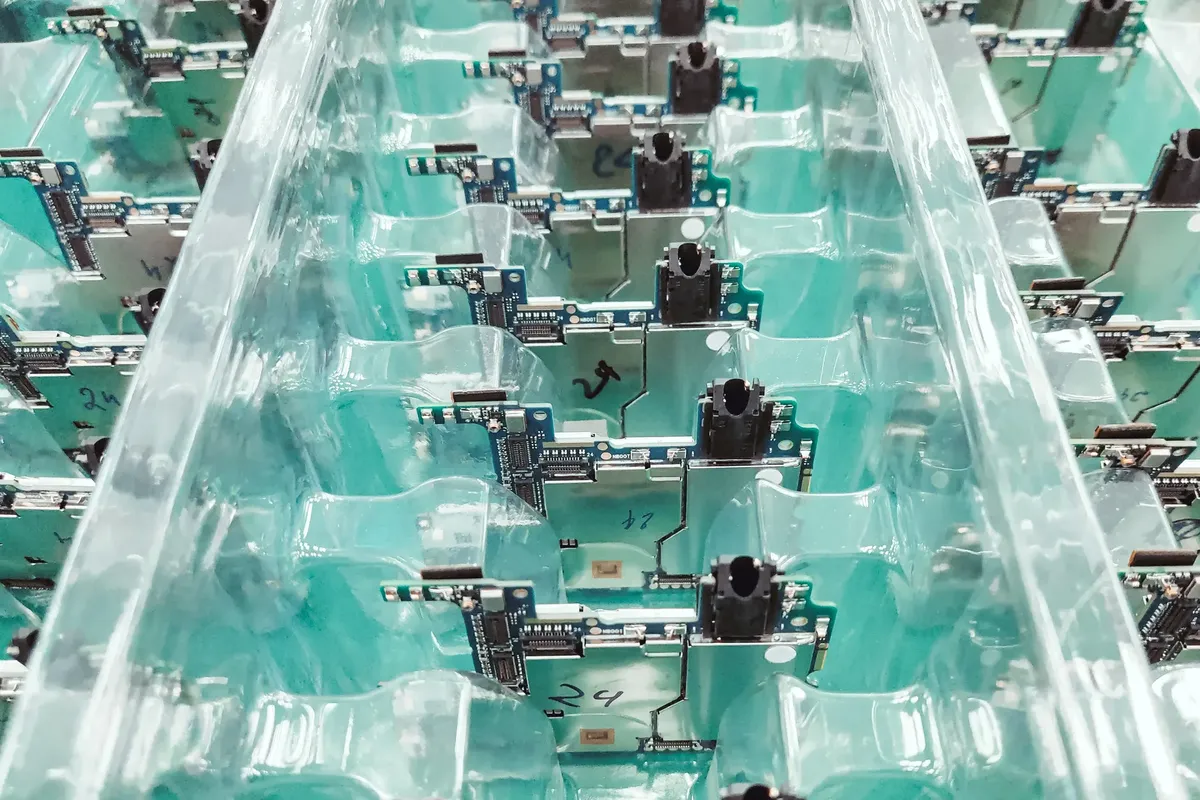
A researcher looks at a timeline of mobile technology, from early analog systems to modern digital networks. The progression shows the constant need for hardware updates.
The history of mobile technology provides a backdrop for current manufacturing goals.
The advances in mobile telephony have been traced in successive "generations", starting with the early zeroth-generation (0G) services, such as Bell System's Mobile Telephone Service and its successor, the Improved Mobile Telephone Service.
Modern standards also evolved through international coordination. In 1991, it became Technical Committee SMG (Special Mobile Group) when ETSI tasked the committee with UMTS (3G). These technological shifts dictate the type of hardware that must be manufactured locally.
How do we manage the transition to high-tech manufacturing?
A factory manager outlines a three-step plan to upgrade the assembly line with automated precision tools. The team listens intently to the new protocols.
To move toward higher value-added manufacturing, the industry must follow structured paths: 1. Increase investment in semiconductor and chip manufacturing capabilities. 2. Expand the local supply chain to reduce reliance on imported components like panels and semiconductors. 3.
Scale up domestic production to meet both local demand and potential export markets.
A final check of the production quality ensures that the increasing volume does not compromise the reliability of the devices. The Ministry of Finance has proposed a 71% increase in funding to ₹13,104.50 crore for the manufacturing of chips and electronics in the 2024 Union budget of India.
| Category | Value/Percentage |
|---|---|
| 2015 Q2 Localized Assembly | 24.8% |
| 2015 Q1 Localized Assembly | 19.9% |
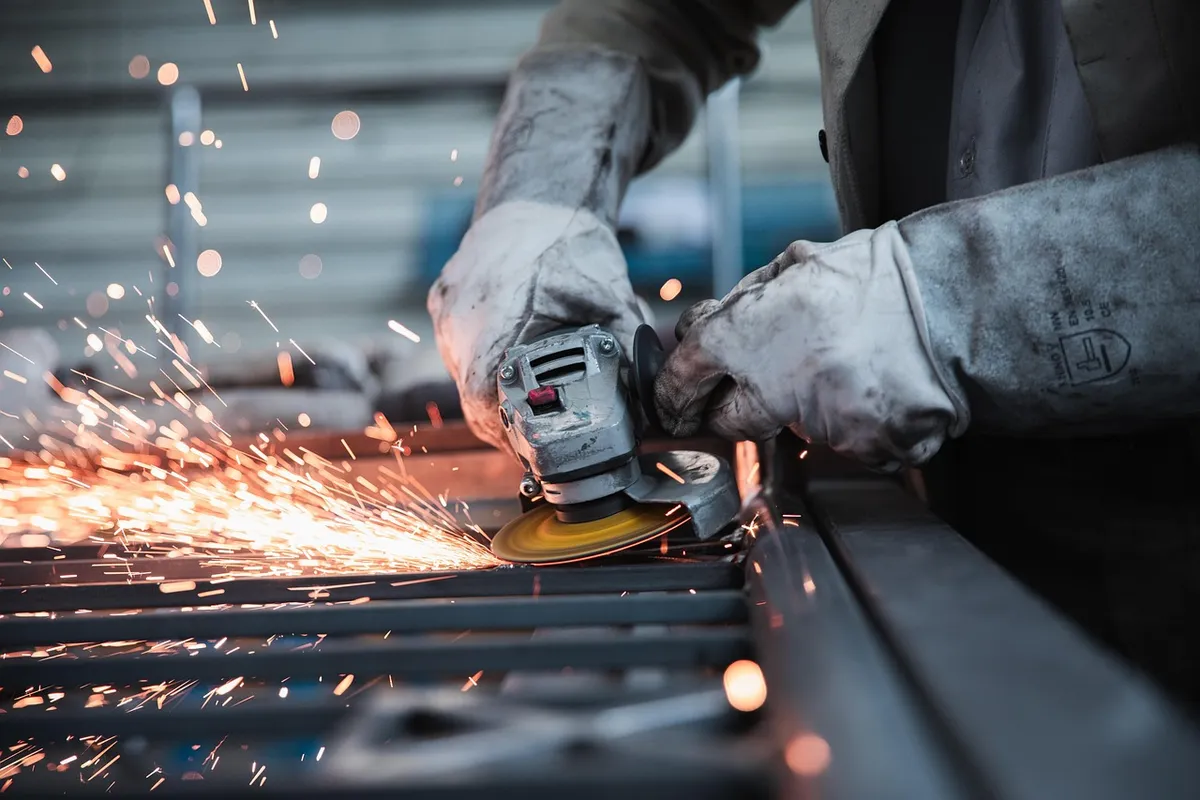
I noticed that the jump in assembly percentage in 2015 was a significant indicator of early growth.
A limitation in this analysis is that the specific contribution of mobile-only manufacturing to the total GDP is not explicitly isolated from the broader electronics sector in the provided data.
- How has the scale of India mobile assembly growth changed?
- What is the current state of Indian handset production rise?
- What does the mobile manufacturing shift India trend reveal about GDP?
The same subject is also called Local assembly in India trend.
This part also covers Data on Indian mobile assembly share.
This part also covers Market changes in handset production.
This part also covers Analyzing India's mobile manufacturing capacity.
Data on Indian mobile assembly share
Related