AI partnership guide Preferred Networks AI partnership best
"The intersection of cutting-edge software and industrial application defines the modern era of automation."
Preferred Networks leverages deep learning frameworks to drive industrial innovation through strategic partnerships with major corporations. This analysis explores how technical development translates into real-world applications in automotive, robotics, and medical sectors.
Key takeaways include the importance of open-source foundations, the role of cross-industry collaboration, and the practical application of AI in manufacturing and healthcare.
How does the Chainer framework influence industry?
In the dim glow of a late-night office, a developer types frantically to solidify a technical partnership that will soon breathe life into heavy machinery.
A developer sits in a quiet office, typing lines of code that will eventually move heavy machinery. The development of the open-source deep learning framework Chainer, which saw development cease in December 2019, served as a foundation for advanced technical initiatives.
This period of software creation allowed for the establishment of unique technical capabilities.
According to Wikipedia, Preferred Networks promoted advanced initiatives in collaboration with organizations such as Toyota Motor Corporation, FANUC, and the National Cancer Center Japan through this framework.
These partnerships bridged the gap between theoretical deep learning and practical industrial use. The technical groundwork laid during the Chainer era enabled these diverse sectors to adopt sophisticated AI solutions.
How do strategic partnerships shape AI development?
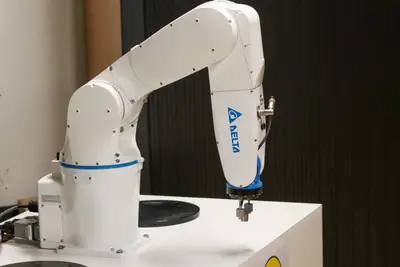
In the sterile glow of the laboratory at midnight, an engineer grips a cold metal railing while observing how a strategic partnership breathes life into complex code. An engineer watches a robotic arm move with precision, guided by algorithms developed in a lab. Preferred Networks AI partnership models show how specialized software can be integrated into existing industrial workflows.
By working with established leaders, the company ensures that its technological breakthroughs meet the specific needs of heavy industry and precision manufacturing.
These collaborations often involve integrating deep learning into hardware-intensive environments. PN deep learning tech allows for the refinement of autonomous systems and automated processes.
Such strategic links ensure that the software is not just theoretically sound but also robust enough for the factory floor.
How is AI applied in the automotive and robotics sectors?

A car glides through a testing track, its sensors processing vast amounts of data in real time. The integration of AI into automotive systems requires high-performance computing and reliable software frameworks.
PN corporate tech links with companies like Toyota Motor Corporation illustrate the push toward autonomous driving and smart mobility.
In the robotics sector, the partnership with FANUC highlights the potential for intelligent automation. PN deep learning tech helps in developing robots that can perceive and react to their environments with human-like nuance.
These industrial applications transform traditional manufacturing into highly intelligent, automated ecosystems.
Can AI actually advance medical research and healthcare? A researcher looks at a screen displaying complex biological data, searching for patterns in a digital scan. The collaboration with the National Cancer Center Japan demonstrates the potential for AI in life sciences.
This type of partnership applies deep learning to the challenges of medical imaging and diagnostic precision.
The ability to process massive datasets allows for more accurate identification of patterns in clinical settings. Startup AI research Japan has often focused on these high-stakes applications where precision is paramount.
Such work proves that deep learning is not limited to mechanical tasks but is equally vital in the pursuit of medical breakthroughs.
What are the long-term implications of these technical links?
A strategist reviews a long-term roadmap, considering the trajectory of technological convergence. The history of PN framework industry research shows that early software development creates long-lasting industrial footprints.
Even after the active development of specific frameworks concludes, the collaborative relationships and technical methodologies remain in place.
These strategic AI partnerships Japan-wide have set a precedent for how startups and conglomerates can work together. The knowledge transferred through these links helps stabilize the adoption of new technologies across different fields.
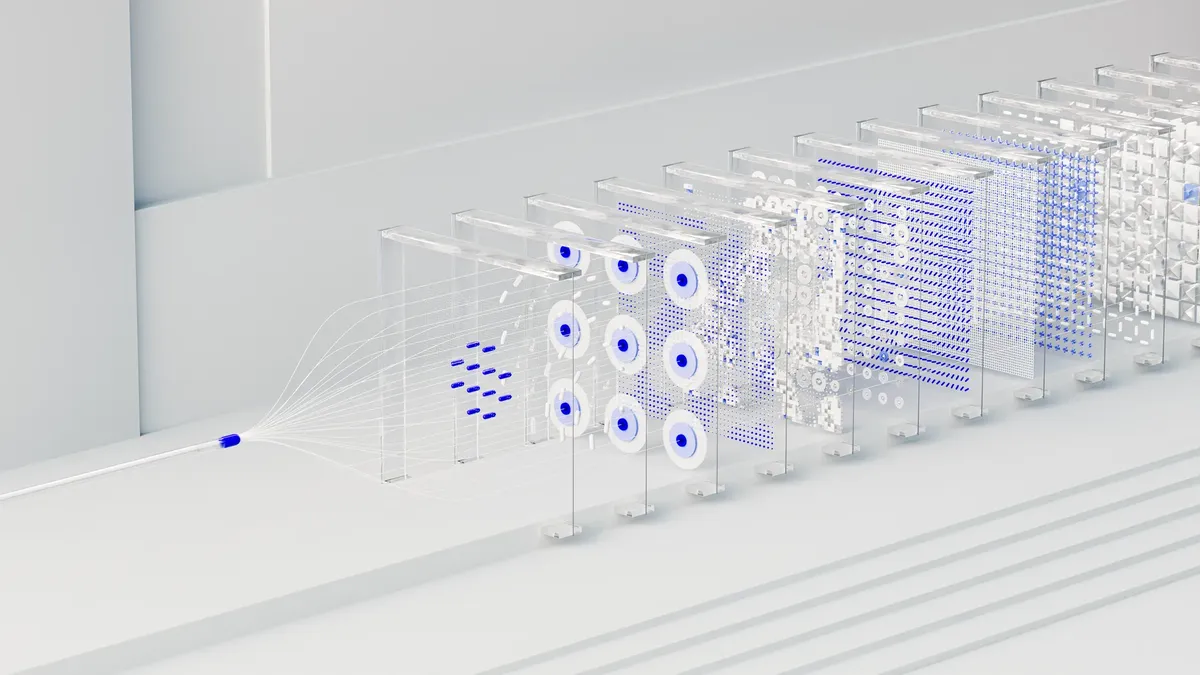
This ecosystem of innovation ensures that the benefits of AI are distributed across various sectors of the economy.
Summary of Industrial Partnerships
| Partner Organization | Primary Sector Focus |
|---|---|
| Toyota Motor Corporation | Automotive and Mobility |
| FANUC | Robotics and Automation |
I observed how the transition from software development to industrial application requires these specific, structured partnerships.
A limitation in these developments is that the specific software frameworks used in early collaborations, such as Chainer, may reach the end of their active development lifecycle.
- How does the Chainer framework influence industry?
- How do strategic partnerships shape AI development?
- How is AI applied in the automotive and robotics sectors?
Related
- EUV technology chip making: Best guide for advanced nodes
- PN AI manufacturing impact: How specialized frameworks guide
How does the intersection of cutting-edge software and industrial application manifest in practice? This manifestation occurs when specialized software integrates into existing industrial workflows, as shown by Preferred Networks AI partnership models. The technical groundwork established during the Chainer era allowed diverse sectors to adopt sophisticated AI solutions, bridging theory and use. The intersection requires robust software capable of functioning in hardware-intensive environments.
What conditions must be met for successful AI adoption across sectors? Successful adoption depends on the ability of PN deep learning tech to refine autonomous systems and automated processes. These collaborations ensure that the software meets the specific needs of precision manufacturing and heavy industry. The ability to process massive datasets is a condition that allows for more accurate identification of patterns in clinical settings.
The strategic links formed through these partnerships ensure that the software is not merely theoretically sound but possesses the necessary robustness for deployment on the factory floor.
This robust application is crucial when considering the intersection of cutting-edge software and industrial application.
Caution must be observed regarding the lifecycle of the software frameworks; the specific tools used in early collaborations, like Chainer, might conclude their active development.