Sinopec Shell Singapore refinery: Tips for tech innovation
"The intersection of global energy shifts and regional standardization defines the modern refining landscape."
Sinopec is reportedly looking toward Shell’s historic Singapore oil refinery, a move that could reshape regional energy logistics and chemical industry tech innovation. This potential transition involves complex regulatory oversight and strategic capacity management.
Key takeaways include the importance of adhering to regional standards, the history of large-scale refining capacity, and the role of governmental bodies in managing industrial transitions.
How could the Sinopec Shell Singapore refinery impact regional energy?
At dusk, I stare out across the harbor at the massive sinopec refinery as the salty breeze stings my eyes.
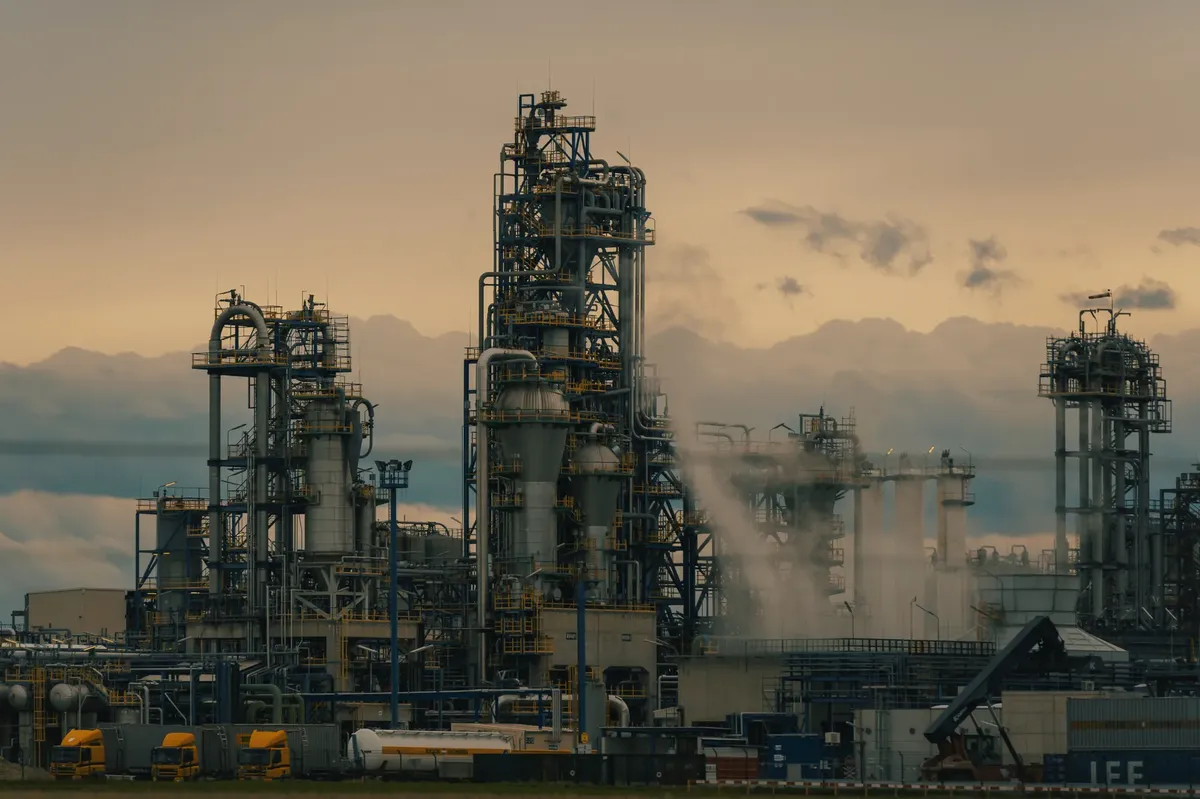
A technician stands before a massive distillation column, checking pressure gauges that indicate the heavy flow of hydrocarbons. The potential integration of the Sinopec Shell Singapore refinery would represent a significant shift in Southeast Asian energy distribution.
Such a move requires navigating the intricate logistics of a major maritime hub.
The scale of industrial shifts often mirrors historical capacity shifts seen in other markets. For example, through 1997, Sinopec held 90% of China' oil refining capacity. This level of dominance underscores the strategic importance of securing high-capacity assets in key locations like Singapore.
The strategic value of the Sinopec Shell Singapore refinery lies in its ability to serve as a hub for the broader Asia-Pacific region. By integrating advanced refining technology, companies can better manage the volatility of global fuel demand.
This technological leap is essential for maintaining operational efficiency in a competitive market.
The facility's output will likely alter supply dynamics across Southeast Asia.
What role does regulatory oversight play in refinery operations?
As the morning sun hits the steel catwalks, I grip my clipboard tightly while walking through the sinopec facility to inspect the gleaming valves.
An inspector walks through a sterile facility, documenting compliance with national safety protocols. Any major transition involving the Sinopec Shell Singapore refinery must align with the rigorous standards maintained by local authorities.
In Singapore, the standardization process is coordinated by the Singapore Standards Council, which is administered by Enterprise Singapore, a Governmental body.

The Singapore Standards Council ensures that technical specifications remain consistent across the industry. This oversight is vital when managing high-stakes assets like a major oil refinery. Maintaining these standards prevents operational discrepancies during ownership or technology transitions.
The Singapore Standards Council was initially administered by SPRING Singapore. This historical context shows the evolution of regulatory frameworks designed to manage industrial complexity. Such oversight ensures that any technical leap remains grounded in safety and interoperability.
Compliance ensures that operational safety meets local and international legal requirements.
How does the chemical industry tech innovation integrate with existing standards?
A scientist adjusts a valve on a new chemical reactor, ensuring the flow matches the digital readout. For companies looking at the Sinopec Shell Singapore refinery, integrating new processes requires strict adherence to established protocols.
As the national standards body, Enterprise Singapore administers the Singapore Standardisation Programme through an industry-led Singapore Standards Council.
The focus on the Singapore Shell Singapore refinery implies a need for seamless technical integration. The Council approves the establishment, review and withdrawal of Singapore Standards and Technical References.
This process ensures that any new hardware or software introduced during a transition meets local requirements.
Through the Singapore Standards Council, EnterpriseSG administers the Singapore Standardisation Programme (SSP). This structured approach allows for the steady adoption of advanced refining technology Asia-wide.
Without these standards, the integration of new chemical processes could lead to significant operational risks.
New technologies must be compatible with current infrastructure to ensure seamless implementation.
What are the implications of the Singapore oil refinery future?
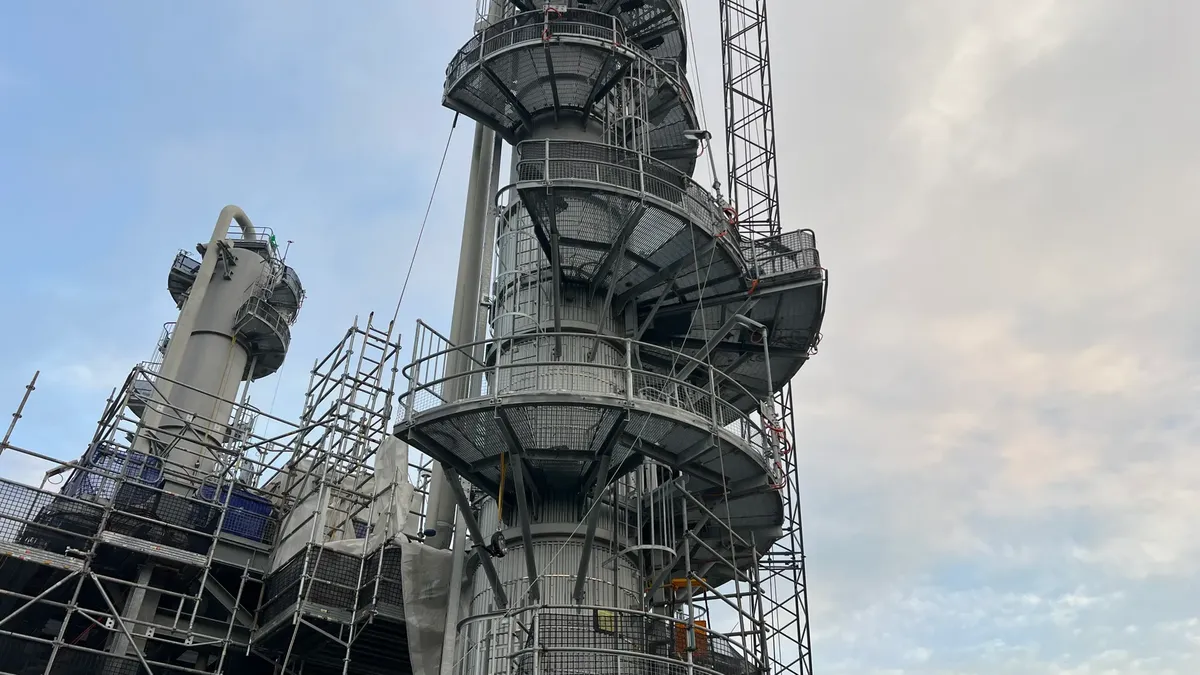
An engineer reviews a blueprint of a refinery layout, noting the placement of new pipeline connections. Discussions regarding the Singapore oil refinery future often center on how much capacity will be available to the global market.
Strategic moves in this sector can alter the balance of power in fuel supply chains.
The transition to more efficient processes is a key part of the Singapore oil refinery future. Companies must balance the legacy of existing infrastructure with the need for modern, cleaner refining methods. This balance is critical for long-term viability in a changing environmental landscape.
The strategic importance of the Sinopec Shell Singapore refinery is tied to its location and throughput. Ensuring that the facility can handle diverse crude grades and product outputs is a primary goal for investors. This capability is necessary to maintain a competitive edge in the energy sector.
The shift toward more complex refining processes will redefine the local energy landscape.
How do companies manage large-scale industrial transitions?
A project manager sits in a mobile office, coordinating a team of specialists via satellite link. Managing the transition of a massive asset like the Sinopec Shell Singapore refinery involves several distinct phases. Successful handovers depend on technical readiness and regulatory compliance.
In 2007, Sinopec redid its earlier environmental study, this time in conjunction with the Gabonese environmentalist group Enviropass and the World Wildlife Foundation, winning high marks from Gabonese, Western, and Chinese conservation experts, according to the World Wildlife Foundation.
To manage such a transition, companies typically follow these steps:

- Conduct a comprehensive audit of existing technical assets and environmental compliance records. 2. Align all operational protocols with the current standards managed by the Singapore Standards Council. 3. Execute a phased integration of new technology to prevent downtime in the supply chain.
A final check of all regulatory filings and safety certifications is mandatory before any new operational phase begins. I remember reviewing similar technical documentation where a single error in a compliance report could halt an entire facility's output.
The limitations of these transitions often involve the existing age of the infrastructure. For instance, the capacity of an older refinery might limit the speed at which new, high-tech chemical processes can be implemented.
- Assess current infrastructure capabilities.
- Implement phased technological upgrades.
- Train personnel on new operational protocols.
- In this sequence, the second step is the longest.
Related