TSMC 5nm process edge: Guide to maintaining market power
"The semiconductor industry is not just about machines; it is about the massive capital and strategic foresight required to sustain a global technological lead."
TSMC maintains its position through massive revenue growth and strategic expansion into global markets like Arizona. This dominance is built on decades of investment, high-capacity manufacturing, and deep ties to government-led development.
Key takeaways: * Massive revenue growth in 2020 demonstrated significant market power and scalability. * Strategic expansion into the United States via the CHIPS and Science Act secures future capacity.
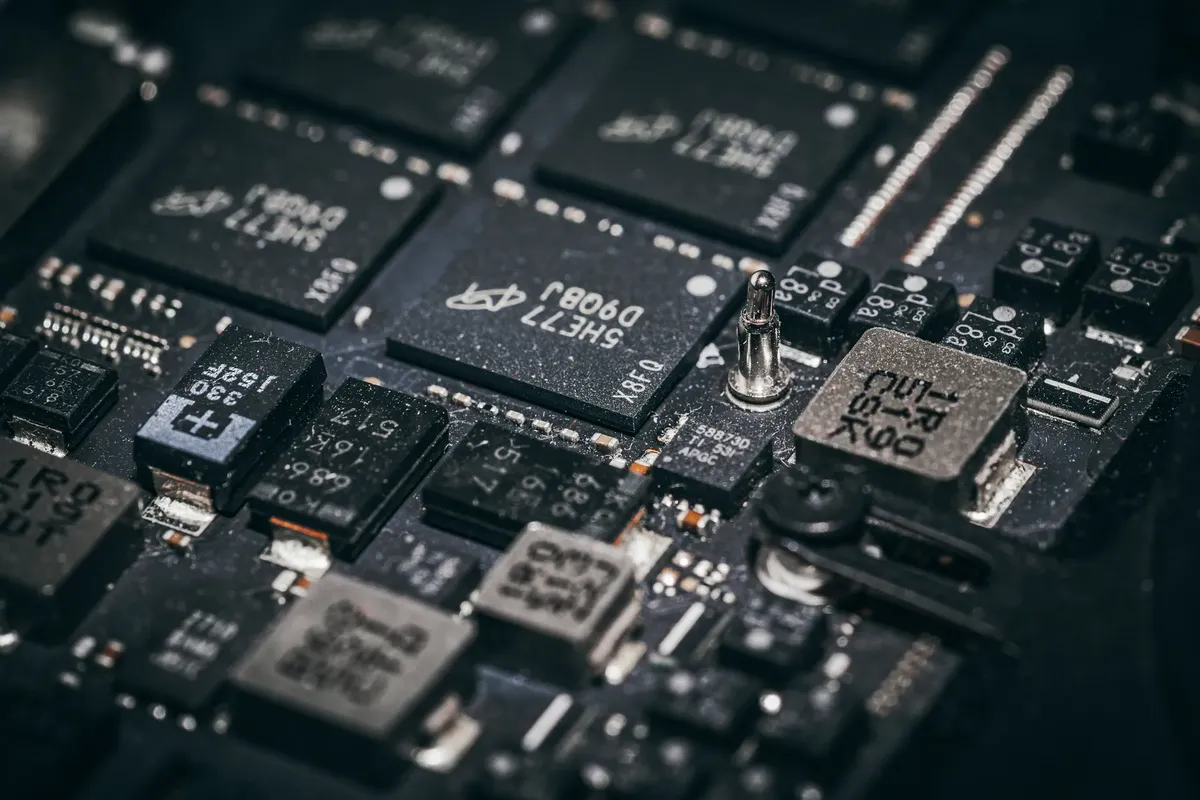
* The company's historical foundation involved complex private and government-led capital structures.
Why does TSMC maintain a TSMC 5nm process edge?
A technician examines a silicon wafer under a high-powered microscope, checking for the slightest imperfection in a microscopic circuit. This level of precision is what allows the company to maintain a TSMC 5nm process edge in a crowded market.
The company has historically managed high-growth periods by balancing research and capacity. For instance, in 2011, the company planned to increase research and development expenditures by almost 39 percent to NT$50 billion to fend off growing competition.
This proactive spending ensured that technical leads were maintained even as competitors emerged.
The company also planned to expand capacity by 30 percent in 2011 to meet strong market demand. Such aggressive scaling allowed the firm to capture market share during periods of technological transition.
This ability to scale both research and physical capacity has been a cornerstone of its long-term strategy.
How does the company handle Advanced chip manufacturing?
An engineer monitors the temperature of a cleanroom, ensuring the environment remains perfectly stable for sensitive production runs. Successfully managing advanced chip manufacturing requires constant reinvestment into the latest lithography and fabrication tools.
Financial strength provides the foundation for these technological leaps.
For 2020, TSMC had a net income of US$17.60 billion on a consolidated revenue of US$45.51 billion, an increase of 57.5 percent and 31.4 percent respectively from the 2019 level of US$11.18 billion net income and US$34.63 billion consolidated revenue.
These massive returns allow for the continuous funding of next-generation fabrication plants.
The scale of these operations is immense, impacting even regional resources. TSMC accounts for roughly 5 percent of the energy consumption in Taiwan, even exceeding that of the capital city Taipei.
Managing such a massive energy footprint is a critical part of maintaining stable, large-scale production.
What drives the Semiconductor tech race?
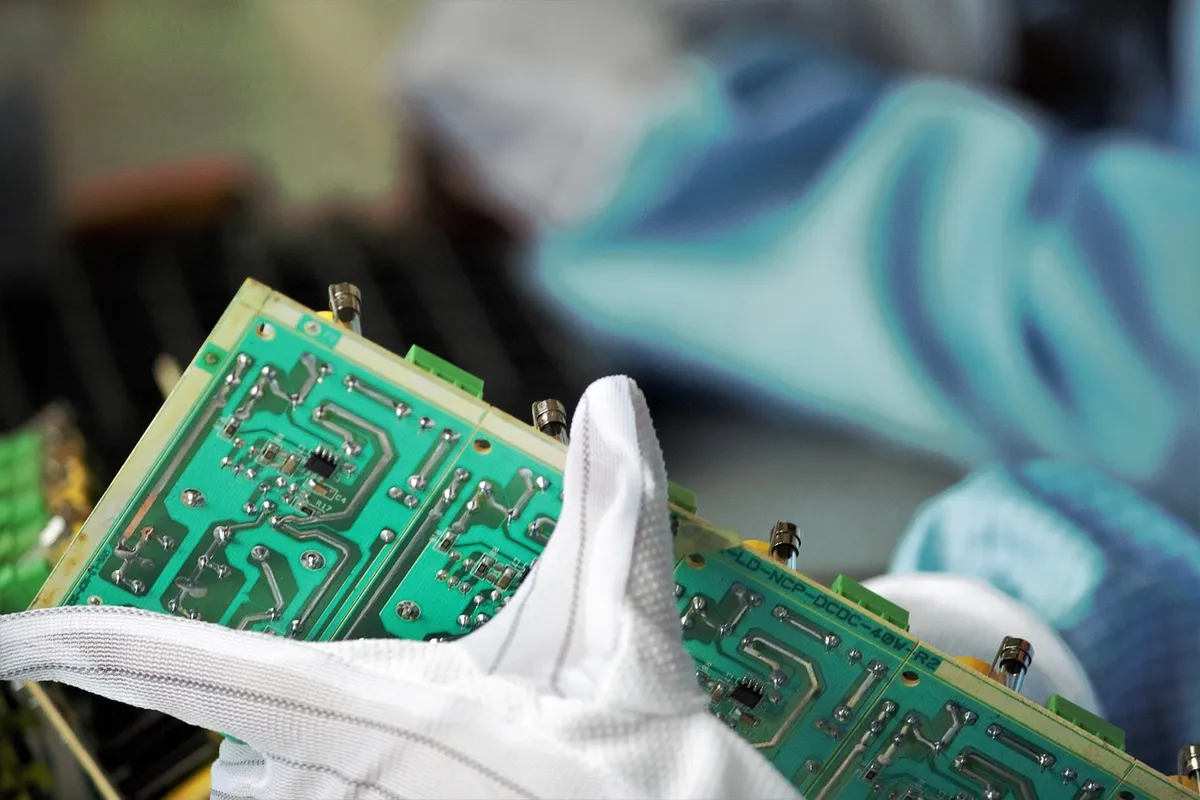
A logistics manager tracks a shipment of specialized chemicals moving toward a massive fabrication facility. The constant pressure of the semiconductor tech race forces companies to diversify their geographical presence to mitigate risks.
One major move involves expanding manufacturing to the United States to secure a global supply chain.
The US Commerce Department later agreed to provide $6.6 billion in direct funding and up to $5 billion in loans to TSMC for the purposes of creating semiconductor manufacturing facilities in Arizona under the CHIPS and Science Act. This move aims to establish a localized presence in a key market.
The company also manages fluctuations in market pricing and demand. During the 2020–2023 global semiconductor shortage, prices for TSMC's more mature processors were raised by about 20 percent.
This ability to adjust pricing for mature nodes while developing cutting-edge tech provides a dual-layered revenue stream.
How does the company manage Global chip market power?
A specialist reviews quarterly reports, noting the shifts in revenue across different technology nodes. Maintaining global chip market power requires a delicate balance between cutting-edge innovation and the steady production of mature chips.
The company's history shows a pattern of managing diverse technological needs. For Q2 2014, revenues came in at NT$183 billion, with 28 nm technology business growing more than 30 percent from the previous quarter. This shows how even older, established nodes can drive significant revenue growth.
The company also relies on its historical capital structure to maintain stability. Early on, the Taiwanese government, through the National Development Fund, Executive Yuan, provided another 48.3 percent of the startup capital for TSMC.
This strong institutional foundation allowed for the long-term planning necessary to reach current heights.
Why is AI chip manufacturing edge so important?
A designer works on a complex chip architecture, preparing the layout for the next generation of processors. Developing an AI chip manufacturing edge is the current frontier, requiring massive capital and specialized knowledge.
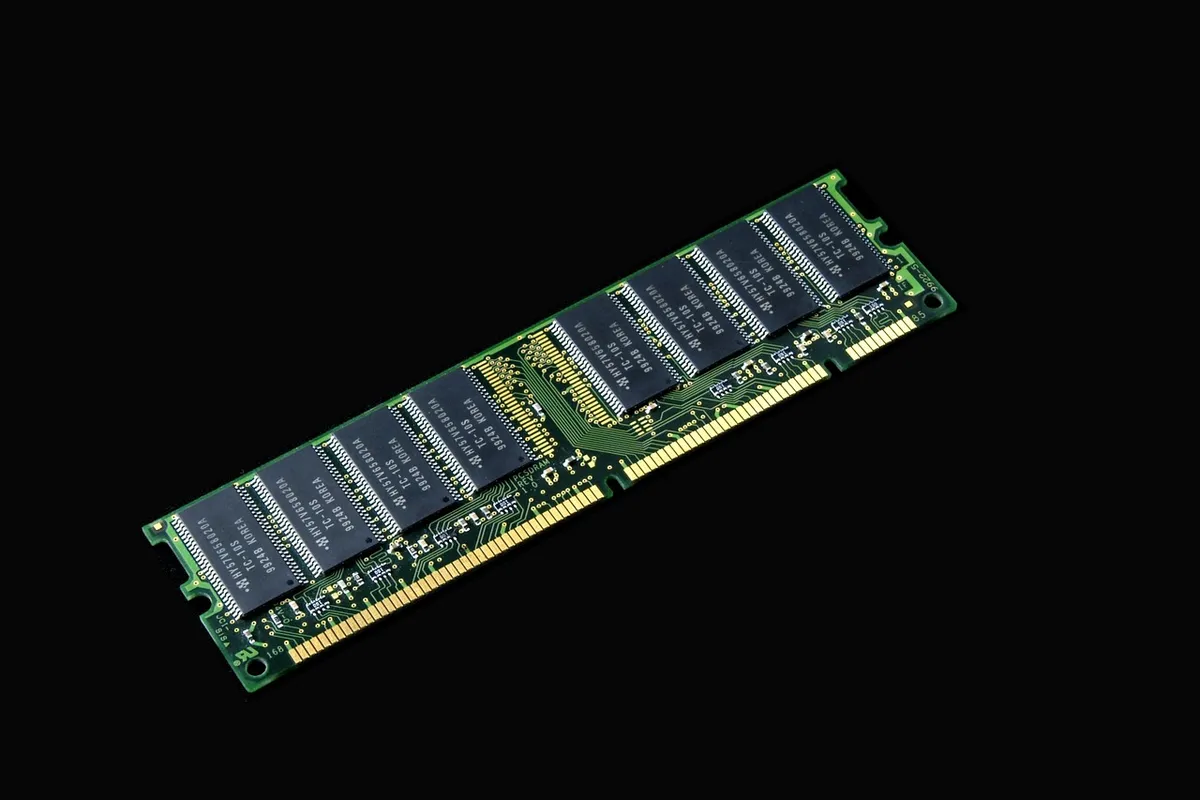
The scale of investment needed for such technology is enormous. The company's ability to generate high net income, such as the US$17.60 billion in 2020, provides the necessary capital for these expensive R&D cycles. Without these returns, the jump to newer nodes would be financially impossible.
The focus remains on meeting the needs of high-performance computing. The company's history of expanding capacity and R&D shows a consistent readiness to meet shifts in demand. This readiness ensures that when new markets like AI emerge, the infrastructure is already being built.
- Why does TSMC maintain a TSMC 5nm process edge?
- How does the company handle Advanced chip manufacturing?
- What drives the Semiconductor tech race?
The same subject is also called TSMC process tech lead.
This part also covers Why TSMC leads chip tech.
Related